Ayurveda Explains the Winter Vata Surge
As winter sets in, many people notice an old, familiar problem returning- aching knees, stiff joints, and difficulty moving in the morning. If you’ve ever wondered why joint pain worsens in cold weather, Ayurveda has a clear and time-tested explanation.
According to Ayurveda, winter aggravates Vata dosha, the primary cause of joint pain, dryness, and degeneration. Let’s understand how this seasonal shift affects your knees and what you can do to protect them naturally.
Why Knee Pain Increases During Cold Weather
In modern terms, cold weather reduces circulation and stiffens tissues. Ayurveda explains this more deeply.
Winter = Vata Season
Vata is characterized by:
- Cold
- Dry
- Light
- Rough
- Mobile qualities
Winter shares these same qualities, leading to Vata aggravation, especially in joints like the knees.
Ayurvedic Explanation of Knee Pain
The knee is a Vata-dominant joint. When Vata increases:
- Synovial fluid reduces
- Lubrication decreases
- Tissues become dry and weak
- Movement causes friction and pain
This results in:
- Stiffness
- Cracking sounds
- Pain while walking or climbing stairs
- Morning discomfort that improves with movement
Who Is Most Affected in Winter?
You are more prone to winter knee pain if you:
- Are above 40 years of age
- Have a Vata-dominant body type
- Have a history of arthritis or joint injury
- Sit for long hours with little movement
- Follow irregular eating or sleeping habits
Signs of Winter Vata Imbalance in Knees
Watch out for:
- Pain that worsens in cold and improves with warmth
- Dryness or cracking in joints
- Stiffness after rest
- Weakness or instability in knees
These are classic Vata symptoms.
Ayurvedic Tips to Prevent Knee Pain in Winter
1. Warm Oil Massage (Abhyanga)
Daily massage with sesame oil or Mahanarayana oil:
- Nourishes joints
- Improves circulation
- Reduces stiffness
Massage knees before bath, especially in the morning.
2. Keep Your Knees Warm
Cold exposure worsens Vata.
- Wear knee caps or warm clothing
- Avoid sitting on cold floors
- Protect joints from cold winds
3. Eat Vata-Balancing Foods
Include:
- Warm, cooked meals
- Ghee, milk, soups, and stews
- Spices like ginger, turmeric, and cumin
Avoid:
- Cold foods and drinks
- Dry snacks
- Excess raw food
4. Gentle Movement Is Essential
Complete rest worsens stiffness.
- Practice gentle yoga
- Walk daily
- Do knee-strengthening exercises
Avoid sudden, jerky movements.
5. Herbal Support for Joint Health
Ayurveda uses herbs like:
- Ashwagandha – strengthens tissues
- Shallaki (Boswellia) – reduces inflammation
- Guggulu – supports joint mobility
When taken correctly, these herbs help counter winter Vata aggravation.
Why Pain Improves With Warmth
Many people notice knee pain easing after:
- Hot water baths
- Sun exposure
- Gentle movement
Ayurveda explains this as warmth pacifying Vata and restoring lubrication to joints.
When to Take Knee Pain Seriously
Consult an Ayurvedic practitioner if:
- Pain persists despite home care
- Swelling or redness increases
- Movement becomes restricted
- Pain interferes with daily life
Early treatment prevents long-term joint degeneration.
Conclusion
Knee pain during cold weather is not “just aging” it’s your body responding to winter-induced Vata imbalance.
By understanding Ayurveda’s seasonal wisdom and making small changes- warmth, nourishment, oil massage, and proper movement, you can protect your knees, stay active, and enjoy winter without pain.
Ayurveda doesn’t fight the season; it teaches you how to live in harmony with it.
Don’t let winter slow you down.
Support your knees the Ayurvedic way, try Arthranib now.
Start caring for your joints today and move comfortably through every season.
Frequently Asked Questions (FAQs)
1. Why does knee pain increase in winter?
Cold and dryness aggravate Vata dosha, reducing joint lubrication and increasing stiffness.
2. Is knee pain in winter a sign of arthritis?
Not always. Seasonal Vata imbalance can cause pain even without arthritis.
3. Which oil is best for knee pain in winter?
Sesame oil and medicated oils like Mahanarayana oil are commonly recommended.
4. Can diet really affect joint pain?
Yes. Warm, nourishing foods help restore lubrication and reduce Vata.
5. Is exercise safe during knee pain?
Gentle movement is essential. Avoid high-impact or sudden exercises.


 31Aug
31Aug  24Sep
24Sep  23Oct
23Oct  07Nov
07Nov 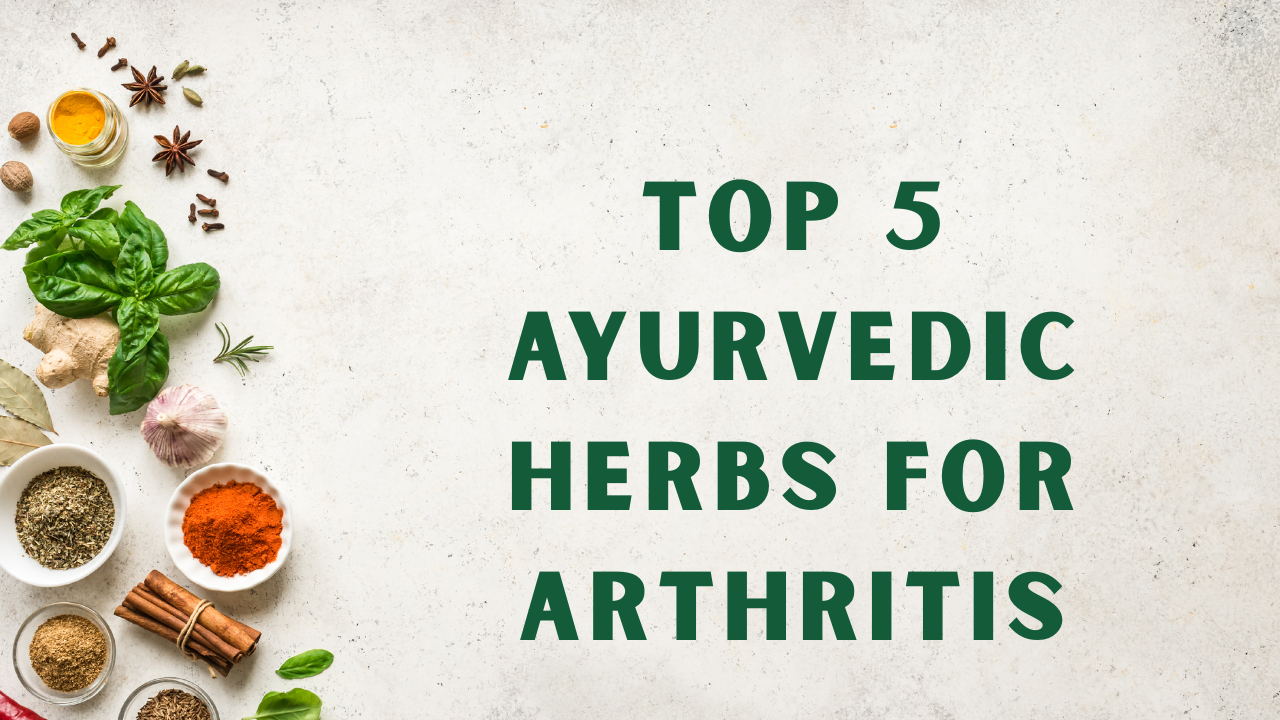 28Nov
28Nov  09Dec
09Dec 



Comments are closed