Introduction
Piles can cause discomfort, pain, and difficulty during bowel movements, making daily life challenging. While treatments may help, diet plays a crucial role in managing and preventing piles naturally.
An improper diet can lead to constipation, which increases pressure on rectal veins and worsens the condition. On the other hand, the right foods can support digestion and ease symptoms.
In this article, you’ll learn an effective Ayurvedic diet plan for piles patients, along with simple guidelines to improve gut health and reduce discomfort.
What is Piles and Why Diet Matters
Piles, also known as hemorrhoids, are swollen veins in the rectal area that cause pain, itching, and sometimes bleeding. They are often linked to chronic constipation and poor digestion.
Diet directly impacts bowel movements. A low-fiber or dehydrating diet can lead to hard stools and straining, which worsens piles.
People with sedentary lifestyles, irregular eating habits, or low water intake are more prone to this condition.
Piles often develop due to unhealthy eating patterns and lifestyle habits.
Common causes include:
- Low fiber intake: Leads to hard stools
- Dehydration: Makes bowel movement difficult
- Spicy and oily foods: Irritate the digestive system
- Irregular meals: Disrupt digestion
- Sedentary lifestyle: Slows bowel movement
- Straining during stools: Increases pressure
Ayurvedic Perspective
In Ayurveda, piles (Arsha) are mainly caused by an imbalance in Vata and Pitta doshas. Vata leads to dryness and constipation, while Pitta causes inflammation and irritation.
Weak digestive fire (Agni) and toxin buildup (Ama) further worsen the condition. Improper digestion leads to hard stools and strain.
Ayurveda focuses on improving digestion, softening stools, and reducing inflammation through diet and lifestyle.
Best Ayurvedic Diet Plan for Piles Patients
Fiber-Rich Foods
Foods rich in fiber help soften stools and make bowel movements easier. Include fruits, vegetables, and whole grains in daily meals.
Hydrating Foods
Water-rich foods like cucumber, watermelon, and buttermilk help maintain hydration and prevent dryness.
Warm and Light Meals
Eating freshly cooked, warm meals supports digestion and reduces strain on the system.
Healthy Fats
Natural fats like ghee help lubricate the intestines and promote smoother bowel movements.
Diet Recommendations
A balanced diet can significantly reduce piles discomfort.
Include:
- Papaya, figs, and apples
- Green leafy vegetables
- Whole grains and oats
- Plenty of water and buttermilk
Avoid:
- Spicy and fried foods
- Processed and junk food
- Excess tea or coffee
- Dry and low-fiber foods
Lifestyle Recommendations
Healthy habits are essential for managing piles effectively.
- Drink enough water daily
- Avoid sitting for long hours
- Exercise regularly
- Do not delay bowel movements
- Maintain a consistent routine
These practices help reduce pressure on rectal veins and improve digestion.
Conclusion
An Ayurvedic diet plan plays a vital role in managing piles and preventing recurrence. By focusing on fiber-rich, hydrating, and easy-to-digest foods, you can improve bowel movements and reduce discomfort.
Combined with healthy lifestyle habits, these dietary changes can support long-term digestive health and overall well-being.
Looking for natural support for piles relief? Try Pilesnib, designed to support smooth bowel movements and promote long-term digestive comfort.
FAQ
What foods are best for piles patients?
Fiber-rich and hydrating foods help improve digestion.
Can diet alone cure piles?
Diet helps manage symptoms and prevent worsening.
Is ghee good for piles?
Yes, it helps lubricate the intestines.
What should be avoided in piles?
Spicy, oily, and low-fiber foods.

 31Aug
31Aug  26Sep
26Sep  10Oct
10Oct  09Nov
09Nov  20Nov
20Nov 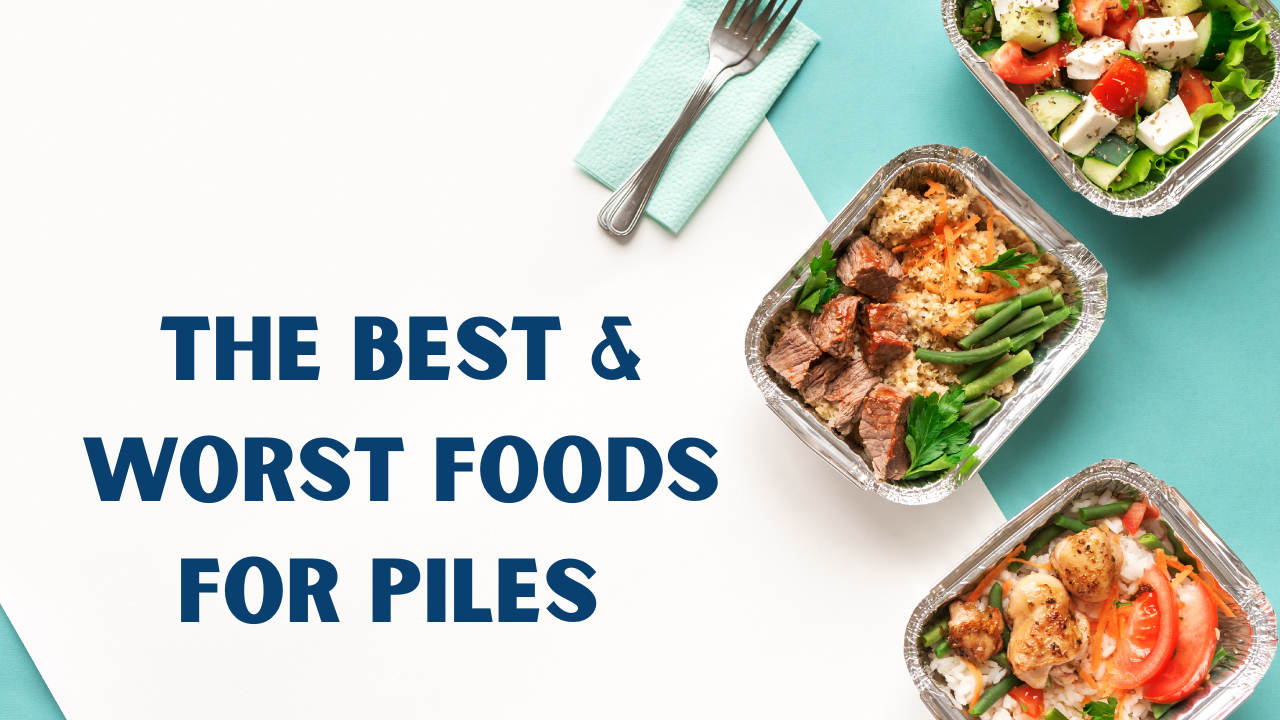 02Dec
02Dec 



Comments are closed