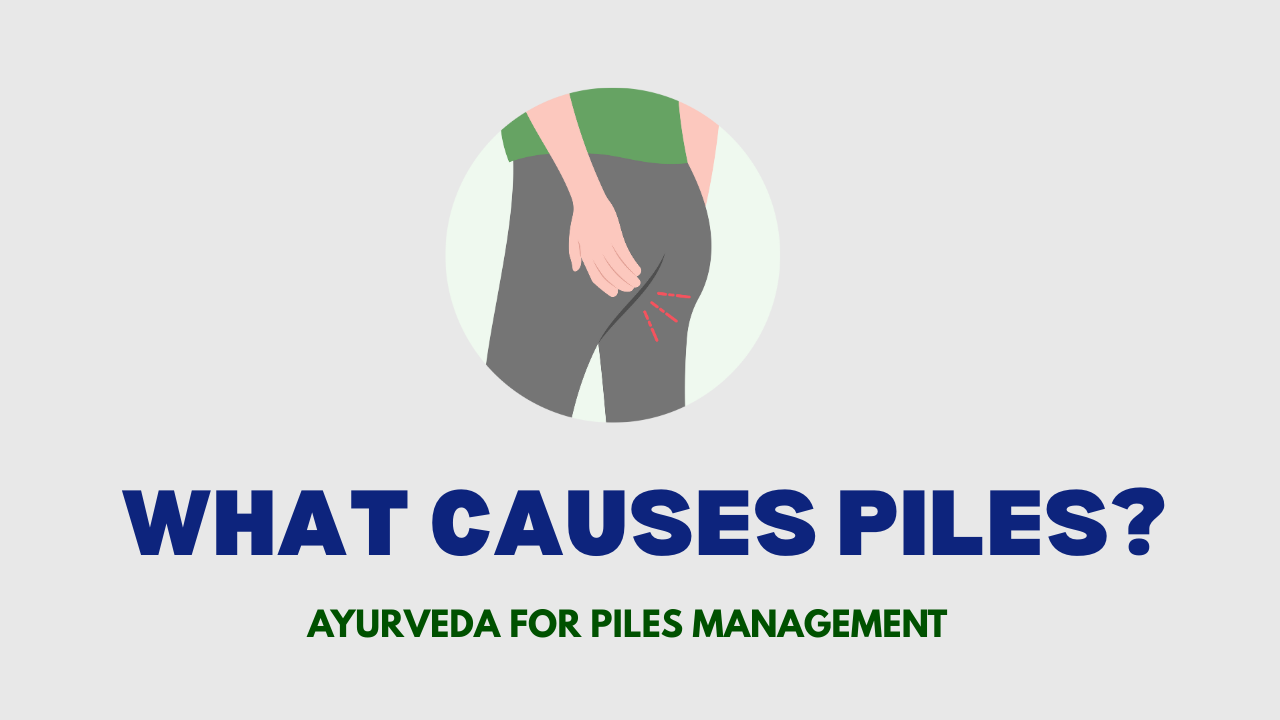
Piles, also known as hemorrhoids, affect millions of people worldwide. While genetics, pregnancy, and aging can increase the risk, many people don’t realize that their daily habits also play a significant role.
Simple routines like sitting for long hours, ignoring the urge to use the bathroom, or not drinking enough water may gradually increase pressure on the veins around the rectum.
The good news? Most of these habits are easy to change.
Let’s look at 10 everyday habits that secretly increase your risk of piles and what you can do instead.
One of the most common habits is delaying bowel movements.
Holding stools for too long may cause them to become harder and more difficult to pass, increasing the need to strain.
Instead: Go to the toilet when you feel the natural urge.
2. Sitting on the Toilet for Too Long
Many people scroll through their phones while sitting on the toilet.
Spending 15–20 minutes there increases pressure on the veins around the anus, which may contribute to piles over time.
Instead: Finish your bowel movement and get up without unnecessary delay.
3. Eating Too Little Fiber
A low-fiber diet is one of the leading contributors to constipation.
Include more:
- Fruits
- Vegetables
- Whole grains
- Lentils
- Seeds
Fiber helps soften stools and supports regular bowel movements.
4. Not Drinking Enough Water
Without enough fluids, stools may become dry and difficult to pass.
Stay hydrated throughout the day to support healthy digestion.
5. Sitting for Long Hours
Whether you work at a desk or drive for long periods, prolonged sitting may increase pressure on the lower rectum.
Instead:
- Stand up every hour.
- Walk for a few minutes.
- Stretch regularly.
6. Straining During Bowel Movements
Excessive pushing places unnecessary pressure on the veins around the rectum.
Avoid forcing bowel movements.
Improving fiber intake and hydration usually helps reduce straining.
7. Lack of Physical Activity
Regular movement helps stimulate healthy bowel function.
Aim for:
- Walking
- Cycling
- Yoga
- Swimming
- Light stretching
Even 30 minutes of daily activity can benefit digestive health.
8. Frequently Eating Highly Processed Foods
Fast foods, refined flour products, sugary snacks, and ultra-processed meals often contain very little fiber.
Replace processed foods with:
- Fresh fruits
- Vegetables
- Whole grains
- Homemade meals
9. Lifting Heavy Weights Incorrectly
Repeated heavy lifting without proper technique may increase abdominal pressure.
Always use correct lifting techniques and avoid holding your breath while lifting.
10. Ignoring Early Symptoms
Many people ignore:
- Itching
- Mild bleeding
- Discomfort
- Small lumps
Early treatment and lifestyle changes can help prevent symptoms from worsening.
Simple Daily Habits That Help Prevent Piles
Build these healthy routines into your day:
- Drink enough water.
- Eat fiber-rich foods.
- Exercise regularly.
- Avoid prolonged sitting.
- Respond promptly to bowel urges.
- Don’t strain during bowel movements.
- Maintain a healthy weight.
- Limit processed foods.
Consistency matters more than perfection.
Ayurvedic Perspective on Piles Prevention
In Ayurveda, piles are referred to as Arsha and are often associated with impaired digestion and irregular bowel habits.
Traditional Ayurvedic wellness practices encourage:
- Healthy digestion (Agni)
- Regular bowel movements
- Warm, freshly prepared meals
- Adequate hydration
- Daily physical activity
- Avoiding excessive straining
- Consistent daily routines
Supporting digestive balance is considered an important part of long-term bowel wellness.
When Should You See a Doctor?
Consult a healthcare professional if you experience:
- Persistent rectal bleeding
- Severe pain
- Large painful lumps
- Blood mixed with stools
- Unexplained weight loss
- Symptoms lasting more than a few days
Do not assume every case of rectal bleeding is caused by piles.
A proper diagnosis is essential.
Why Choose Pilesnib?
Healthy lifestyle habits are the first step toward preventing piles.
For additional Ayurvedic digestive and bowel support, Pilesnib is formulated with traditional Ayurvedic ingredients to complement healthy bowel habits and digestive wellness.
Benefits of Pilesnib
- Supports digestive comfort
- Helps maintain bowel regularity
- Supports healthy bowel movements
- Made with Ayurvedic ingredients
- Complements a fiber-rich diet and healthy lifestyle
Use Pilesnib as part of a holistic approach to digestive health.
Expert Tips to Reduce Your Risk of Piles
- Drink 2–3 litres of water daily.
- Eat more fiber.
- Walk every day.
- Avoid prolonged sitting.
- Don’t delay bowel movements.
- Avoid excessive straining.
- Maintain a healthy body weight.
Small daily changes can make a big difference.
Conclusion
Many people believe piles develop suddenly, but in reality, they often result from habits repeated day after day.
By avoiding these 10 everyday habits that secretly increase your risk of piles, you can support healthier digestion, maintain regular bowel movements, and reduce unnecessary pressure on the veins around the rectum.
Prevention is always easier than treatment and it starts with simple lifestyle choices.
Support Better Digestive Health with Pilesnib
Looking for natural Ayurvedic support for digestive and bowel wellness?
Pilesnib is formulated with Ayurvedic ingredients to support digestive comfort, healthy bowel movements, and overall bowel wellness as part of a balanced lifestyle.
Choose Pilesnib for Daily Ayurvedic Support for Digestive & Bowel Health.
FAQs
What is the biggest cause of piles?
Chronic constipation and repeated straining are major risk factors.
Can sitting too long cause piles?
Prolonged sitting may increase pressure on rectal veins.
Does drinking more water help prevent piles?
Yes. Staying hydrated supports softer stools.
Can exercise reduce the risk of piles?
Regular physical activity supports healthy bowel movements.
Can piles be prevented naturally?
Healthy diet, hydration, exercise, and good bowel habits can help reduce the risk.


 31Aug
31Aug  26Sep
26Sep  10Oct
10Oct  09Nov
09Nov  20Nov
20Nov  02Dec
02Dec 



Comments are closed