Why Millennials Are Experiencing Joint Pain Earlier Than Ever
Joint pain is often associated with ageing.
But today, knee pain, back pain, neck stiffness, and shoulder discomfort are becoming common concerns among younger adults too.
So, what’s causing it?
Age isn’t always the main factor. Modern lifestyles can involve long hours at a desk, less physical activity, excessive screen time, poor posture, previous injuries, weight gain, stress, and inadequate sleep.
Over time, these habits can affect your muscles, joints, and mobility.
The good news is that many of these factors can be improved.
1. You’re Sitting Too Much
Many millennials spend most of their working day sitting at a desk.
You may sit while working, commute while sitting, and then spend your evening watching TV or scrolling on your phone.
Long periods of inactivity can contribute to stiffness and discomfort, particularly around the neck, lower back, hips, and knees.
What can you do?
Get up regularly. Walk around, stretch, or simply change your position throughout the day.
Your joints are designed to move, not stay in one position for hours.
2. Your Daily Movement Has Decreased
Going to the gym once or twice a week doesn’t completely compensate for being inactive throughout the rest of the day.
Everyday movement matters too.
Try adding more:
- Walking
- Stair climbing
- Stretching
- Cycling
- Household activities
You don’t have to think of movement only as exercise. Being active throughout the day matters too.
3. Poor Posture Is Taking a Toll
Hours spent leaning towards a laptop or looking down at your phone can contribute to neck, shoulder, and upper-back discomfort.
Try these simple changes:
- Keep your screen at a comfortable height.
- Sit with your back supported.
- Relax your shoulders.
- Avoid staying in one position for too long.
- Take regular screen breaks.
Small adjustments can make your workday much more comfortable.
4. You’re Not Building Enough Muscle
Strong muscles help support your joints.
If you rarely exercise or avoid strength training, you may gradually lose muscle strength and physical conditioning.
A balanced fitness routine can include:
Strength training + mobility exercises + cardiovascular activity
You don’t need extremely heavy weights. Start at an appropriate level and gradually build strength.
5. Old Injuries Can Come Back
A sports injury, accident, or repetitive strain from years ago may continue to affect a joint.
Sometimes discomfort disappears for years and returns after increased activity or physical stress.
If the same joint repeatedly becomes painful, don’t keep ignoring it.
Understanding the underlying cause is more useful than simply masking the discomfort.
Your knees, hips, ankles, and lower back carry much of your body weight.
Carrying excess weight can place additional mechanical stress on weight-bearing joints.
If weight management is appropriate for you, focus on gradual and sustainable changes rather than crash diets.
Balanced nutrition and regular movement are better long-term strategies.
7. Stress and Poor Sleep Matter Too
Joint health isn’t completely separate from the rest of your lifestyle.
When you’re stressed or consistently sleep-deprived, your body can become more sensitive to discomfort.
Poor sleep can also make it harder to stay active and maintain healthy habits.
Prioritise:
- Consistent sleep
- Relaxation
- Regular movement
- Time away from screens
- Stress-management practices
Taking care of your whole body can support better physical well-being.
Is Joint Pain Normal When You’re Young?
Not necessarily.
Occasional stiffness after an intense workout, long journey, or unusually active day isn’t necessarily concerning.
However, persistent or unexplained joint pain shouldn’t simply be dismissed because you’re young.
Joint pain can have many causes, including injuries, overuse, inflammatory conditions, muscle weakness, and other health conditions.
If pain continues, gets worse, or interferes with your daily activities, speak with a healthcare professional.
6 Simple Ways to Support Joint Health
You don’t need to completely change your lifestyle.
Start with these simple habits:
Move More
Avoid sitting continuously for several hours. Take short walking and stretching breaks throughout the day.
Build Strength
Include appropriate strength exercises in your weekly routine.
Improve Mobility
Gentle stretching and mobility exercises can help you maintain comfortable movement.
Maintain a Healthy Weight
If needed, work towards gradual and sustainable weight management.
Improve Your Posture
Pay attention to your sitting position, workstation, phone use, and daily movements.
Give Your Body Time to Recover
Exercise is important, but so is recovery. Don’t repeatedly push through significant pain.
What Exercise Is Better for Painful Joints?
You don’t necessarily need high-impact workouts to stay active.
Depending on your condition and fitness level, low-impact activities may be easier on your joints.
Consider:
- Walking
- Swimming
- Cycling
- Yoga
- Gentle mobility exercises
If a particular activity consistently causes pain, modify it rather than forcing yourself through it.
For persistent pain, professional guidance can help you choose appropriate exercises.
An Ayurvedic Approach to Joint Care
Ayurveda has traditionally emphasised movement, balanced routines, appropriate nutrition, rest, and oil massage as part of overall wellness.
One traditional practice is Abhyanga, or Ayurvedic oil massage.
A simple joint-care routine may include:
- Gentle oil massage
- Regular movement
- Appropriate exercise
- Balanced meals
- Adequate rest
- Stress management
These habits can complement your overall wellness routine.
However, persistent joint pain should be properly evaluated rather than treated only with home remedies.
If you’re looking for Ayurvedic support for your everyday joint-care routine, Arthranib Joint Care Oil can be incorporated into your self-care routine.
It can be used with a gentle massage as part of an approach focused on joint comfort and mobility.
For a more complete approach, combine your routine with:
- Regular movement
- Appropriate exercise
- Healthy weight management
- Good posture
- Adequate rest
Arthranib Joint Care Oil is a wellness product and should not replace medical treatment for an underlying joint condition.
When Should You See a Doctor?
Don’t assume that joint pain is simply because you’re sitting too much.
Get professional advice if you experience:
- Persistent or worsening pain
- Significant swelling
- Redness or warmth around a joint
- Severe stiffness
- Joint instability
- Pain following an injury
- Fever along with joint pain
- Difficulty walking or using the joint
Finding the cause of the pain is important for choosing the right treatment.
The Bottom Line
Joint pain isn’t necessarily an inevitable part of getting older.
For millennials, modern lifestyle habits may contribute to joint discomfort much earlier than expected.
Long hours of sitting, limited movement, poor posture, previous injuries, excess weight, stress, and inadequate recovery can all play a role.
The answer isn’t to stop moving.
It’s to move regularly, build strength, maintain healthy habits, improve posture, and give your body enough time to recover.
For additional Ayurvedic support, Arthranib Joint Care Oil can be part of your regular joint-care routine.
Take care of your joints today so they can keep supporting you tomorrow.
FAQs
Why are millennials experiencing joint pain?
Sedentary lifestyles, poor posture, inactivity, previous injuries, excess weight, and stress may contribute to joint discomfort.
Can sitting too much cause joint pain?
Long periods of sitting can contribute to stiffness and discomfort.
Can exercise help joint health?
Yes. Appropriate strength, mobility, and low-impact exercises can support overall joint health.
Is joint pain normal in young adults?
Occasional discomfort can happen, but persistent or unexplained pain should be evaluated.
Can Arthranib Joint Care Oil support joint care?
It can be incorporated into an Ayurvedic self-care routine focused on joint comfort and mobility.


 31Aug
31Aug  24Sep
24Sep  23Oct
23Oct  07Nov
07Nov  28Nov
28Nov 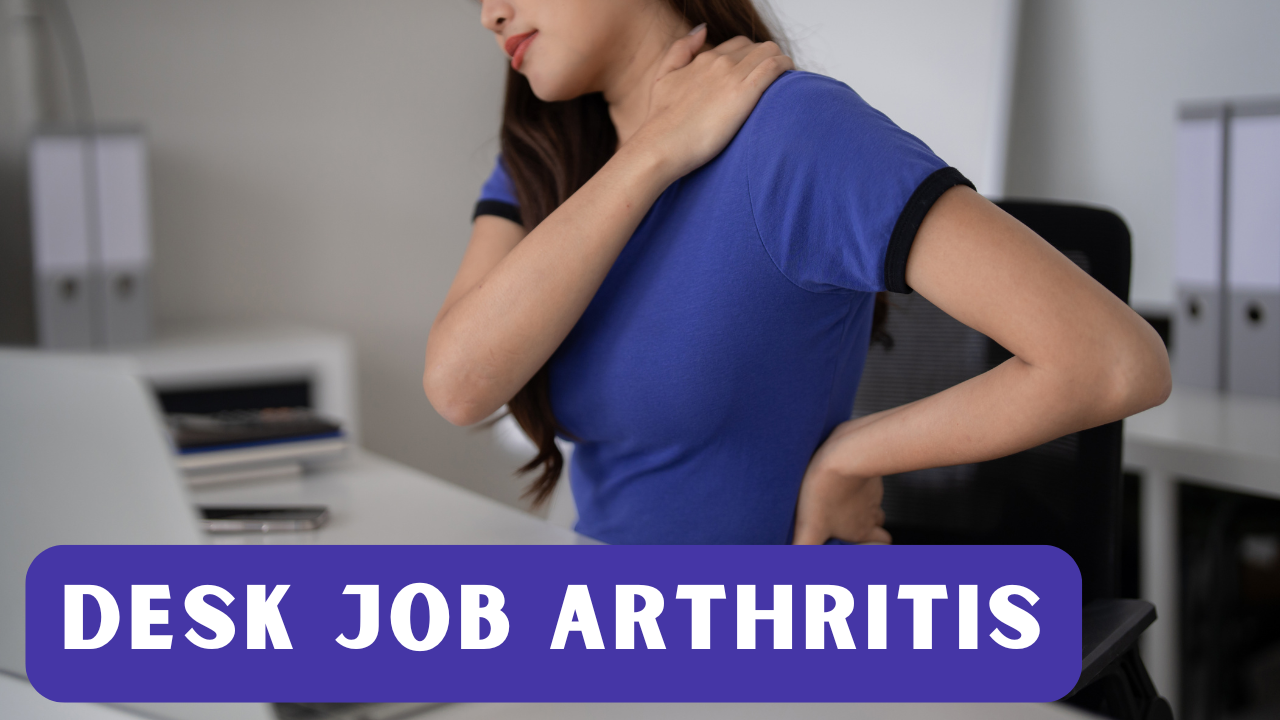 09Dec
09Dec 




Comments are closed