Internal vs External Piles: How to Tell the Difference - Shree Sakshi Ayurveda
XStore theme eCommerce WordPress Themes xstore official website WooCommerce templates for modern stores Find additional templates Find your perfect theme Official website XStore by 8theme wordpress support forum 8theme.com - WooCommerce WordPress themes Click here to see more XStore theme by 8theme.com best wordpress themes Learn more WordPress WooCommerce Themes Explore our best WordPress themes here Discover WooCommerce templates for your online store Find the perfect WordPress theme for your business Browse our collection of premium WooCommerce themes See our top-rated WordPress eCommerce themes Premium WordPress Themes Try XStore Demo WooCommerce Themes Read more on our blog WordPress Themes 8theme WordPress forum Visit website WordPress Themes by 8theme Check XStore Docs wordpress support forum See our recommended WordPress themes Best WooCommerce Themes XStore WordPress Themes XStore Documentation eCommerce WordPress Themes

🌞Summer sale is Live🏷️ Min. 10% Off on Prepaid Orders🆓 Free Shipping on all Orders

No products in the cart.

Internal vs External Piles: How to Tell the Difference

Not all piles feel the same.

Some may cause bleeding without much pain, while others can cause swelling, itching, tenderness, or a noticeable lump.

The difference often comes down to where the hemorrhoid develops.

Internal piles develop inside the rectum, while external piles develop under the skin around the anus.

Understanding the difference can help you recognise symptoms and know when it’s time to seek professional advice.

What Are Piles?

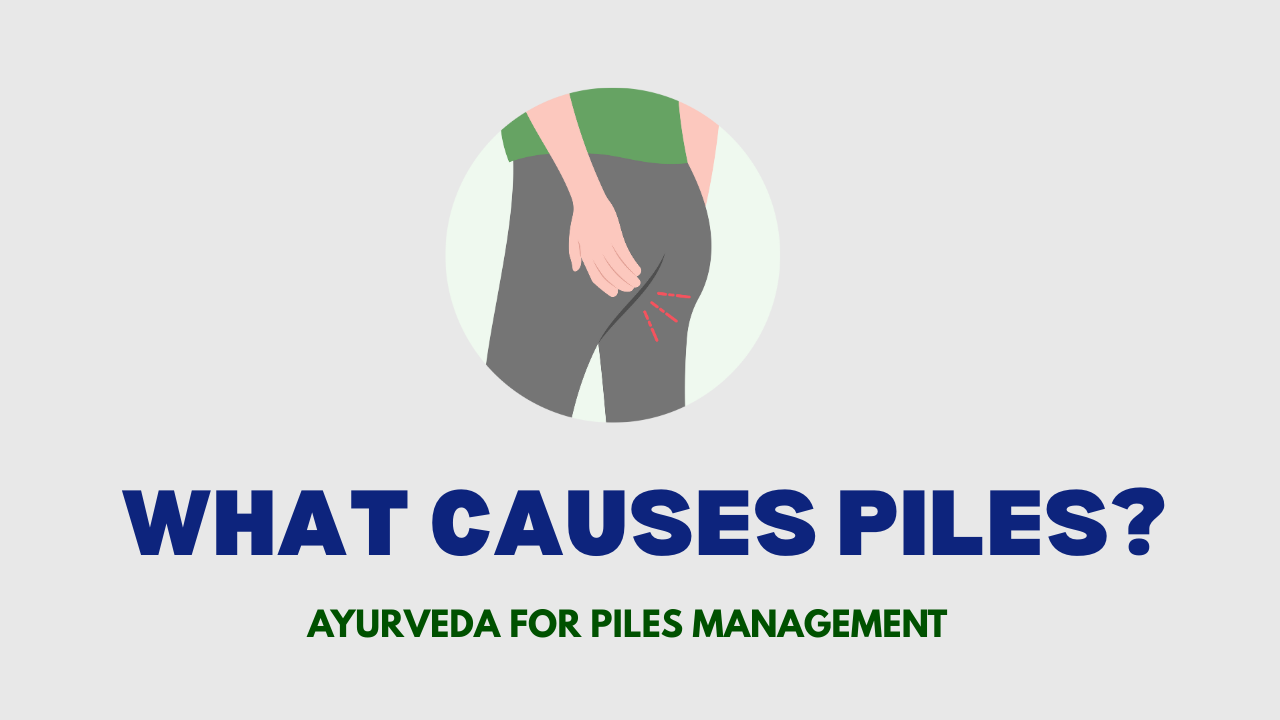
Piles, medically known as hemorrhoids, are swollen veins in the lower rectum or around the anus.

They can develop when increased pressure is placed on these veins.

Common contributing factors include:

  • Constipation
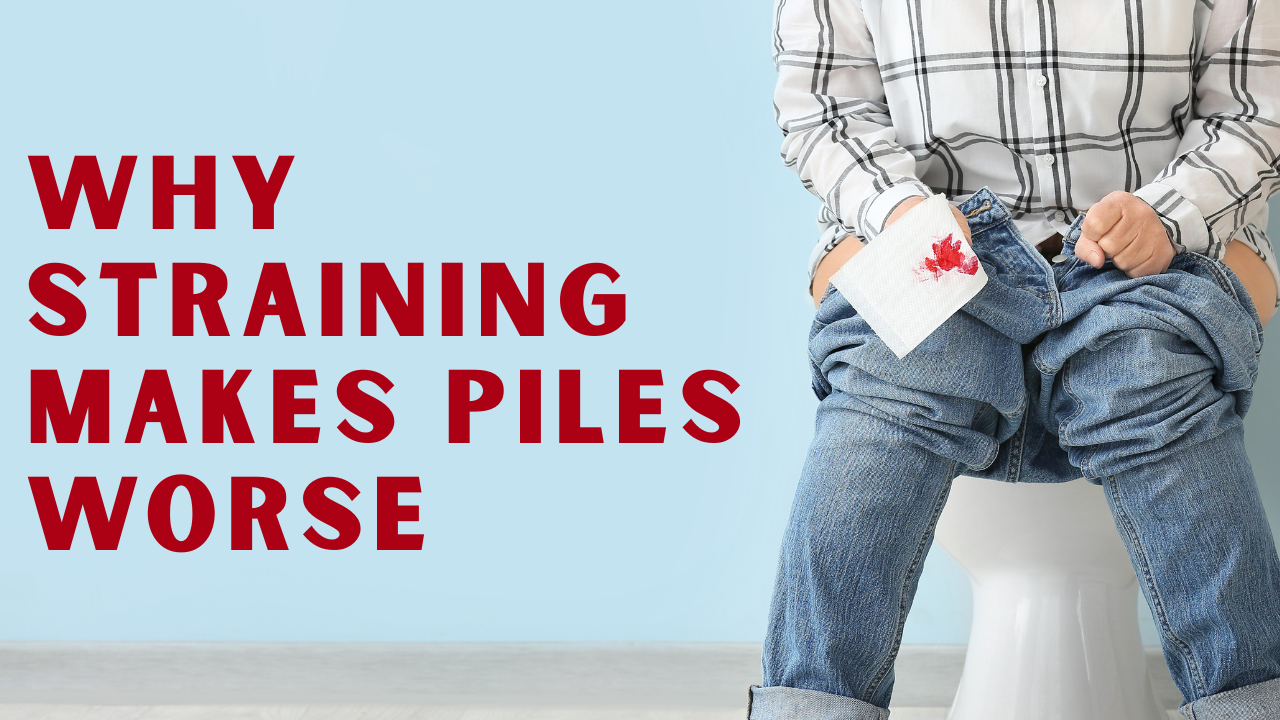
  • Straining during bowel movements
  • Sitting on the toilet for long periods
  • Low-fibre diets
  • Pregnancy
  • Heavy lifting
  • Being overweight
  • Age-related changes

Now let’s look at the two main types.

Internal Piles

Internal hemorrhoids develop inside the rectum.

Because they are located higher inside the rectum, you may not be able to see or feel them.

Common Symptoms

Internal piles may cause:

  • Bright-red bleeding during bowel movements
  • A feeling of incomplete bowel emptying
  • Mucus or irritation
  • Prolapse, where the hemorrhoid extends outside the anus

One important point is that internal piles are often not painful, particularly in their early stages.

This is because the area where they develop has fewer pain-sensitive nerves.

What Happens If Internal Piles Prolapse?

In some cases, an internal hemorrhoid can push through the anal opening during a bowel movement.

It may:

  • Return inside on its own
  • Need to be gently pushed back
  • Remain outside

Persistent prolapse should be evaluated by a healthcare professional.

External Piles

External hemorrhoids develop under the skin around the anus.

Because this area contains many pain-sensitive nerves, external piles can be more uncomfortable.

Common Symptoms

You may notice:

  • Pain or tenderness
  • Itching
  • Swelling
  • A lump near the anus
  • Irritation
  • Bleeding in some cases

An external hemorrhoid can sometimes develop a blood clot, known as a thrombosed hemorrhoid.

This can cause a sudden, painful lump and should be assessed by a healthcare professional.

Internal vs External Piles: Quick Comparison

FeatureInternal PilesExternal Piles
LocationInside the rectumUnder the skin around the anus
Common symptomBright-red bleedingPain, swelling, or tenderness
PainOften less painfulCan be more painful
Visible lumpUsually notOften possible
ItchingPossibleCommon
ProlapseCan occurNot applicable
Blood clotLess typicalCan occur

How Can You Tell Which Type You Have?

Your symptoms can provide clues, but you shouldn’t try to diagnose piles based on symptoms alone.

For example, rectal bleeding can occur with hemorrhoids, but it can also have other causes.

Similarly, a lump around the anus isn’t automatically an external hemorrhoid.

If you’re unsure, a healthcare professional can examine the area and determine the likely cause.

What Causes Both Types of Piles?

Internal and external piles can be associated with similar lifestyle factors.

Constipation

Hard stools can make you strain during bowel movements.

Straining

Repeatedly pushing hard can increase pressure around the veins.

Prolonged Toilet Sitting

Spending too much time on the toilet can place additional pressure on the area.

Low-Fibre Diet

Insufficient fibre can contribute to harder stools and constipation.

Pregnancy

Pregnancy can increase pressure on the veins around the rectum and anus.

Sedentary Lifestyle

Low physical activity can contribute to constipation and irregular bowel habits.

Simple Ways to Support Piles Care

Regardless of the type of piles, healthy bowel habits can be helpful.

Increase Fibre

Include more:

  • Fruits
  • Vegetables
  • Whole grains
  • Lentils
  • Beans
  • Seeds

Increase fibre gradually and drink enough fluids.

Stay Hydrated

Adequate fluid intake can help support softer stools and regular bowel movements.

Avoid Excessive Straining

Don’t force a bowel movement.

If it isn’t happening naturally, give your body some time and try again later.

Don’t Sit on the Toilet Too Long

Avoid turning bathroom time into extended scrolling time.

Stay Active

Walking and other regular physical activities can support healthy digestion and bowel regularity.

Ayurvedic Approach to Piles Care

Ayurveda traditionally places importance on healthy digestion, regular elimination, balanced food habits, and consistent daily routines.

An Ayurvedic approach may focus on:

  • Supporting healthy digestion
  • Maintaining regular bowel movements
  • Eating fibre-rich foods
  • Staying hydrated
  • Staying physically active
  • Avoiding excessive straining

These habits can complement appropriate medical care.

Support Your Piles Care With Pilesnib

If you’re looking for Ayurvedic support as part of your piles-care routine, Pilesnib can be incorporated alongside healthy digestive and bowel habits.

For a complete approach, focus on:

Fibre + hydration + movement + healthy toilet habits + appropriate care

Pilesnib should complement a healthy lifestyle and should not replace medical evaluation when symptoms are persistent, severe, or unusual.

When Should You See a Doctor?

Don’t automatically assume that every anal symptom is caused by piles.

Get medical advice if you experience:

  • Rectal bleeding
  • Severe or worsening pain
  • A new or unusual lump
  • Persistent itching or swelling
  • Repeated episodes of piles
  • Significant changes in bowel habits
  • Symptoms that don’t improve with basic care

Rectal bleeding can have several causes, so persistent or unexplained bleeding should always be evaluated.

The Bottom Line

The main difference is simple:

Internal piles develop inside the rectum, while external piles develop under the skin around the anus.

Internal piles are more commonly associated with painless bright-red bleeding, while external piles are more likely to cause pain, swelling, tenderness, or a noticeable lump.

However, symptoms can overlap, and other conditions can cause similar problems.

Focus on healthy bowel habits, adequate fibre and fluids, regular movement, and avoiding excessive straining.

For additional Ayurvedic support, Pilesnib can be part of a broader piles-care routine.

Know the difference. Understand your symptoms. Take better care of your digestive health.

FAQs

What is the main difference between internal and external piles?
Internal piles develop inside the rectum, while external piles form around the anus.

Which type of piles is more painful?
External piles are generally more likely to cause pain and tenderness.

Can internal piles bleed?
Yes. Bright-red bleeding during bowel movements is a common symptom.

Can external piles cause a lump?
Yes. External piles can cause a noticeable lump or swelling.

Can Pilesnib support piles care?
Yes, Pilesnib can be incorporated into an Ayurvedic piles-care routine.

Share:

Related Articles

Home

Shop

Home

Home

Home

Login/Register