Quick Summary
Piles, also known as haemorrhoids, can suddenly become painful, swollen, itchy, or start bleeding. Common triggers include constipation, straining during bowel movements, prolonged sitting on the toilet, diarrhoea, and low-fibre eating habits. These factors can increase pressure around the anal area and aggravate existing haemorrhoids.
Making simple changes to your diet and toilet habits may help ease symptoms and reduce future flare-ups. However, persistent or unexplained rectal bleeding should always be medically evaluated.
Why Do Piles Flare Up Suddenly?
You may have piles for weeks without experiencing much discomfort, only to notice sudden itching, swelling, pain, or bleeding one day.
Why does this happen?
Piles are swollen blood vessels in and around the anus or lower rectum. Their symptoms can worsen when pressure increases in the area, particularly during bowel movements.
Sometimes, a flare-up follows a clear trigger, such as passing hard stools. At other times, several factors may contribute together.
Understanding these triggers can help you manage symptoms more effectively and take steps to prevent recurring discomfort.
Constipation is one of the most common reasons piles become aggravated.
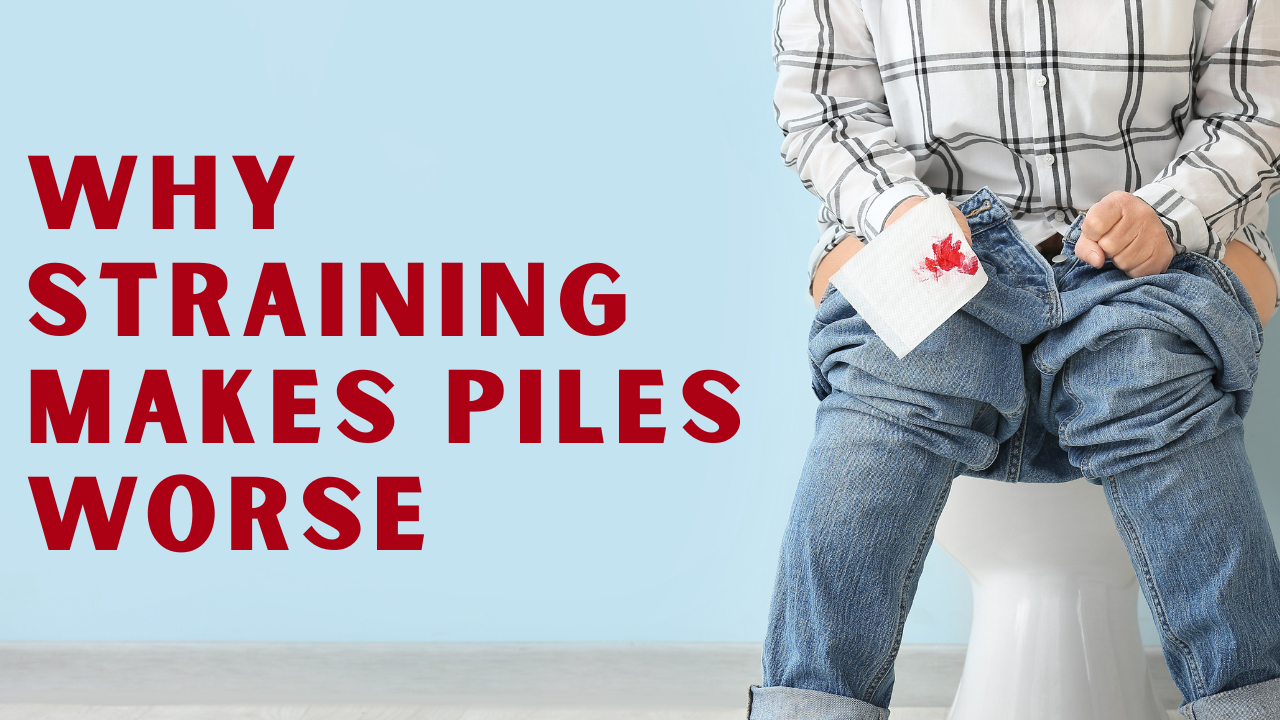
When stools are hard, dry, or difficult to pass, you may need to push harder during bowel movements. This straining increases pressure around the anal blood vessels and can worsen swelling and discomfort.
You may notice:
- Pain or discomfort while passing stools
- Bright-red blood on toilet paper
- Increased swelling around the anus
- A feeling that your bowel movement is incomplete
If constipation is a recurring problem, focus on improving stool consistency rather than repeatedly straining to empty your bowels.
Eating more fibre, drinking adequate fluids, and responding promptly to the urge to use the toilet can help.
2. Spending Too Much Time on the Toilet
Do you scroll through your phone while sitting on the toilet?
This everyday habit may be worth changing.
Spending unnecessarily long periods on the toilet, especially while straining, is associated with a higher risk of haemorrhoid symptoms.
Instead:
- Go to the toilet when you feel the urge.
- Avoid sitting longer than necessary.
- Don’t force a bowel movement.
- Keep your phone away from the toilet.
A simple change in your bathroom routine may help reduce unnecessary pressure around the anal area.
3. Not Eating Enough Fibre
A diet low in fibre can contribute to constipation and hard stools, which may aggravate piles.
Fibre helps make stools softer and easier to pass. It is found in foods such as fruits, vegetables, whole grains, beans, lentils, and other pulses.
Try including a variety of fibre-rich foods in your daily meals.
Increase fibre gradually rather than suddenly eating large amounts, particularly if you are prone to bloating. Drink adequate fluids as well, unless your healthcare professional has advised you to restrict them.
The goal is to make bowel movements easier, not to strain harder.
4. Dehydration and Inadequate Fluid Intake
Not drinking enough fluids can contribute to hard stools, particularly when your diet is also low in fibre.
When stools become difficult to pass, you may strain more, increasing pressure around existing haemorrhoids.
To support regular bowel movements:
- Drink fluids throughout the day.
- Include water-rich foods such as fruits and vegetables.
- Pay attention to your fluid needs during hot weather or physical activity.
- Follow medical advice if you have a condition that requires fluid restriction.
Hydration alone will not treat every cause of constipation, but it can support healthy bowel habits when combined with adequate fibre.
5. Diarrhoea and Frequent Bowel Movements
Piles are not aggravated only by constipation.
Frequent bowel movements and diarrhoea can also irritate the anal area. Repeated wiping and frequent trips to the toilet may worsen itching, soreness, and discomfort.
If diarrhoea is persistent or keeps returning, it is important to identify the underlying cause rather than treating the irritation alone.
Clean the area gently after bowel movements and avoid aggressive wiping or fragranced products that may irritate sensitive skin.
6. Prolonged Sitting and Heavy Lifting
Spending long hours sitting, particularly alongside low physical activity and constipation, may contribute to problems with bowel regularity.
Repeated heavy lifting can also increase pressure around the anal area.
If your daily routine involves sitting for extended periods:
- Take regular movement breaks.
- Walk whenever practical.
- Maintain a consistent physical activity routine.
- Avoid holding your breath and straining excessively while lifting weights.
These habits may support overall bowel health and reduce some factors associated with haemorrhoids.
7. Changes in Your Daily Routine
Sometimes, piles flare up when several small lifestyle changes occur together.
For example, travelling may disrupt your usual meal times, reduce your water intake, limit physical activity, or cause you to ignore the urge to pass stools.
Similarly, a sudden change in diet or daily routine may contribute to constipation in some people.
If you notice a pattern, consider keeping track of your bowel habits, food intake, fluid consumption, and symptoms.
Identifying recurring triggers can help you make practical adjustments instead of relying only on temporary relief.
What Are the Common Signs of a Piles Flare-Up?
Symptoms vary depending on the type and severity of haemorrhoids.
Common signs include:
- Itching or irritation around the anus
- Swelling or a lump near the anal opening
- Discomfort while sitting
- Pain during bowel movements, particularly with external piles
- Bright-red bleeding during or after passing stools
- A feeling of fullness or incomplete bowel evacuation
Important: Rectal bleeding should not automatically be attributed to piles. Anal fissures and other digestive conditions can cause similar symptoms, so unexplained or recurring bleeding needs medical assessment.
How to Manage a Piles Flare-Up at Home
For mild symptoms that are consistent with previously diagnosed piles, several simple measures may help.
Eat fibre-rich foods and drink adequate fluids to make bowel movements easier.
If dietary changes are insufficient, ask a healthcare professional whether a fibre supplement or stool-softening treatment is appropriate.
2. Avoid Straining
Do not force a bowel movement or remain seated on the toilet for longer than necessary.
Respond to the urge to pass stools rather than repeatedly delaying it.
3. Try a Warm Sitz Bath
Sitting in comfortably warm water for a short period may help relieve itching and discomfort.
Avoid water that is hot enough to burn or irritate the skin.
4. Keep the Area Clean
Clean gently after bowel movements and pat the area dry instead of rubbing it vigorously.
Avoid heavily fragranced products if they cause irritation.
5. Stay Physically Active
Regular walking and other suitable physical activities can support bowel regularity and overall health.
If symptoms are severe, keep returning, or fail to improve with home care, consult a healthcare professional.
An Ayurvedic Perspective on Piles
Ayurveda traditionally emphasises digestive health, regular bowel habits, balanced eating, and daily routines as important parts of overall wellbeing.
From this perspective, maintaining healthy digestion and avoiding habitual straining are practical priorities when managing piles.
Simple habits include eating balanced meals, incorporating suitable fibre-rich foods, maintaining adequate hydration, and following a consistent toilet routine.
However, persistent constipation, recurrent bleeding, and significant anal pain should not be self-diagnosed as an Ayurvedic imbalance. Medical evaluation is important to confirm the cause and determine the appropriate treatment.
Can Piles Flare-Ups Be Prevented?
Although flare-ups cannot always be prevented, certain habits may reduce common triggers.
Follow these daily practices:
- Eat a varied, fibre-rich diet.
- Drink adequate fluids.
- Avoid straining during bowel movements.
- Limit time spent on the toilet.
- Stay physically active.
- Avoid repeatedly ignoring the urge to pass stools.
- Seek help for persistent constipation or diarrhoea.
If piles keep returning despite these changes, consult a healthcare professional. Some cases require prescription treatment or procedures rather than lifestyle measures alone.
Support Your Piles-Care Routine with Pilesnib
Recurring piles discomfort can make everyday activities, sitting, and bowel movements uncomfortable.
Alongside appropriate dietary habits, hydration, and good toilet practices, you may consider Pilesnib as part of your piles-care routine.
Explore Pilesnib by Shree Sakshi Ayurveda and learn whether it is suitable for your needs. Follow the product instructions and seek advice from a qualified healthcare professional if you are unsure whether it is appropriate for you.
Explore Pilesnib for Your Piles-Care Routine
Note: Do not rely on a product alone for persistent bleeding, severe pain, or worsening symptoms. Appropriate medical assessment is important.
When Should You Seek Medical Attention?
Do not assume that every flare-up is caused by piles.
Seek medical advice if:
- Rectal bleeding is new, unexplained, or recurring.
- Symptoms persist or repeatedly return.
- Pain or swelling is getting worse.
- You notice a change in your usual bowel habits.
- You experience unexplained weight loss.
Seek urgent medical attention for heavy or continuous rectal bleeding, severe anal pain, or bleeding accompanied by significant abdominal pain, fever, or feeling very unwell.
Final Thoughts
So, why do piles flare up suddenly?
The most common triggers include constipation, hard stools, straining, prolonged toilet sitting, inadequate fibre intake, and diarrhoea. Sometimes, several of these factors combine to aggravate existing haemorrhoids.
The good news is that improving bowel habits, eating a balanced diet, drinking adequate fluids, and avoiding straining may help manage symptoms and reduce common triggers.
Pay attention to recurring symptoms, address constipation early, and seek medical advice when necessary.
A consistent piles-care routine starts with healthier bowel habits and understanding what triggers your symptoms.
Frequently Asked Questions
1. Why do piles suddenly become painful?
Piles may become painful when swelling increases or when an external haemorrhoid develops a blood clot. Severe or sudden pain should be assessed by a healthcare professional.
2. Can constipation trigger a piles flare-up?
Yes. Hard stools and straining can increase pressure around haemorrhoids, aggravating pain, swelling, and bleeding.
3. Can spicy food cause piles to flare up?
Spicy food is not an established direct cause of haemorrhoids. However, if a particular food worsens your bowel symptoms or causes irritation, consider tracking your individual response.
4. How can I get relief from piles discomfort?
For mild symptoms, fibre-rich foods, adequate fluids, avoiding straining, and warm sitz baths may help. Persistent or severe symptoms require medical advice.
5. Is bleeding during bowel movements always caused by piles?
No. Other conditions, including anal fissures and gastrointestinal disorders, can cause rectal bleeding. New or recurring bleeding should be evaluated.
6. Can piles flare-ups be prevented permanently?
Lifestyle changes can reduce common triggers, but they cannot guarantee that piles will never return. Recurrent symptoms may require medical assessment and further treatment.


 31Aug
 26Sep
 10Oct
 09Nov
 20Nov
 02Dec




Comments are closed