Constipation is often ignored until it becomes uncomfortable. Piles, on the other hand, usually demand immediate attention because of pain, bleeding, or irritation. What many people don’t realize is that constipation and piles are closely connected.
In fact, chronic constipation is one of the leading causes of piles. Understanding this hidden link can help you prevent piles early before they become a long-term problem.
What Is Constipation?
Constipation occurs when bowel movements become infrequent, hard, or difficult to pass. It is not just about how often you go, but also how easily and completely stools are passed.
Common signs include:
- Hard or dry stools
- Straining during bowel movements
- Feeling of incomplete evacuation
- Bloating or heaviness
When constipation becomes habitual, it puts excessive pressure on the rectal area.
What Are Piles (Hemorrhoids)?
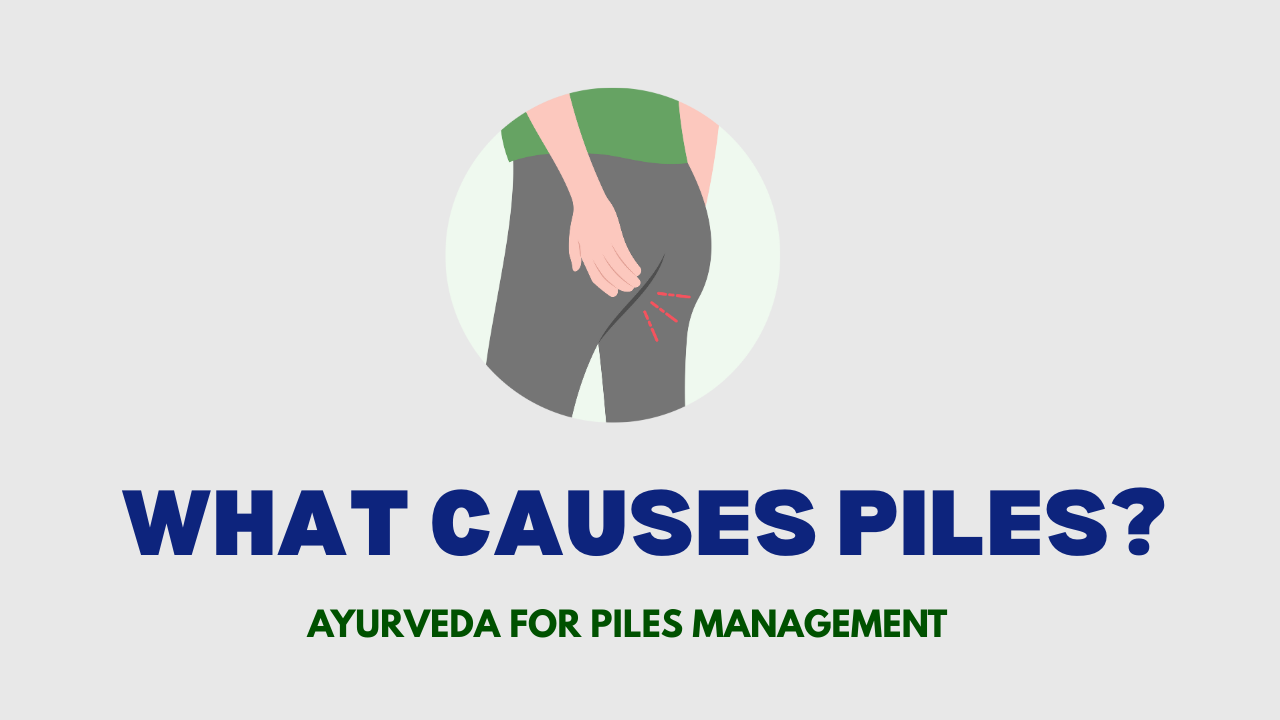
Piles are swollen or inflamed veins in the rectum or anus. They develop due to repeated pressure and strain in the lower digestive tract.
Piles may cause:
- Pain or discomfort while sitting
- Bleeding during bowel movements
- Itching or irritation
- Swelling around the anus
One of the most common triggers for this pressure is chronic constipation.
How Constipation Leads to Piles
The link between constipation and piles is mechanical and progressive.
Straining Damages Rectal Veins
When stools are hard, you strain more. This increases pressure on rectal veins, causing them to swell.
Prolonged Sitting on the Toilet
Constipation often leads to longer toilet time, further stressing rectal blood vessels.
Dry stools can irritate or tear delicate rectal tissue, worsening inflammation.
Over time, this repeated stress results in piles.
Why This Progression Often Goes Unnoticed
Constipation develops slowly. Many people normalize straining or irregular bowel habits, unaware of the damage being done internally.
By the time piles appear, constipation has usually been present for months or even years.
Ayurvedic View on Constipation and Piles
According to Ayurveda, constipation and piles are linked to disturbed Apana Vata, the energy responsible for elimination.
When Apana Vata is imbalanced:
- Stool becomes dry and hard
- Elimination is incomplete
- Pressure builds in the rectal region
Ayurveda emphasizes correcting bowel habits first to prevent piles from forming or worsening.
Early Warning Signs You Should Not Ignore
Watch for these signs:
- Frequent straining
- Burning or discomfort after bowel movements
- Occasional rectal bleeding
- Persistent constipation
Addressing constipation at this stage can prevent piles entirely.
How to Break the Constipation-Piles Cycle
Prevention and management require a combined approach.
Improve Bowel Regularity
Soft, regular stools reduce pressure on rectal veins.
Support Digestion Daily
Good digestion prevents stool dryness and buildup.
Avoid Straining
Respond to bowel urges promptly and avoid forcing elimination.
Nourish Rectal and Digestive Health
Internal support helps heal tissues and reduce inflammation.
Conclusion
Constipation and piles are not separate problems, they are often part of the same cycle. Ignoring constipation allows pressure and strain to build, eventually leading to piles.
By addressing constipation early and supporting digestive health consistently, you can prevent piles and protect long-term gut health.
Address the Root, Not Just the Symptoms
For Constipation Relief
If you struggle with hard stools, irregular bowel movements, or straining, a Constipation Relief Powder can help:
- Soften stools naturally
- Improve bowel regularity
- Reduce bloating and discomfort
Regular bowel movements are the first step to preventing piles.
For Piles Support
If piles have already developed, Pilesnib helps:
- Reduce pain, swelling, and irritation
- Support healing of rectal tissue
- Provide gentle, Ayurvedic relief
For best results, manage constipation and piles together because true relief comes from fixing the root cause.
FAQs
Can constipation really cause piles?
Yes. Chronic constipation is one of the most common causes of piles.
Will piles go away if constipation improves?
Early-stage piles often improve when constipation is corrected.
Is straining the main problem?
Yes. Straining increases pressure on rectal veins.
Does Ayurveda link constipation and piles?
Yes. Both are caused by imbalance in Apana Vata.
Can piles be prevented?
Yes, by maintaining regular, strain-free bowel movements.


 31Aug
31Aug
 26Sep
26Sep
 10Oct
10Oct
 09Nov
09Nov
 16Nov
16Nov
 20Nov
20Nov




Comments are closed