Piles, also known as hemorrhoids, often begin with mild symptoms that many people ignore in the early stages. Small signs like itching, discomfort, constipation, or slight pain during bowel movements may gradually worsen if left unmanaged.
Piles are swollen veins in the rectal or anal area and are commonly linked to constipation, prolonged sitting, poor digestion, low-fiber diets, and unhealthy lifestyle habits. Early recognition and proper care are important for maintaining better comfort and digestive wellness naturally.
Many people avoid discussing piles due to embarrassment, which often delays proper attention and lifestyle changes. Understanding the early symptoms of piles may help support timely care and healthier bowel habits.
In this blog, we’ll explore the early warning signs of piles, common causes, and natural ways to support digestive and bowel wellness.
What Are Piles?
Piles are swollen blood vessels in the lower rectum or anus that may cause discomfort, irritation, or pain during bowel movements.
They are generally associated with:
- Chronic constipation
- Straining during bowel movements
- Low-fiber diet
- Prolonged sitting
- Poor digestion
- Sedentary lifestyle
- Pregnancy
Early care and healthy digestive habits may help support better comfort naturally.
Early Symptoms of Piles Most People Ignore
Recognizing early piles symptoms is important before discomfort increases over time.
1. Itching Around the Anal Area
Persistent itching or irritation is one of the most common early signs of piles.
2. Discomfort During Bowel Movements
Mild pain, pressure, or discomfort while passing stools may indicate piles development.
3. Occasional Bleeding
Small spots of bright red blood after bowel movements should not be ignored.
4. Swelling or Lump Near the Anal Area
Some people may notice mild swelling or a small lump around the affected area.
5. Constipation and Straining
Frequent constipation and excessive straining increase pressure on rectal veins.
6. Feeling of Incomplete Bowel Movement
A sensation that the bowel has not emptied properly may also occur.
Ignoring these symptoms may lead to worsening discomfort over time.
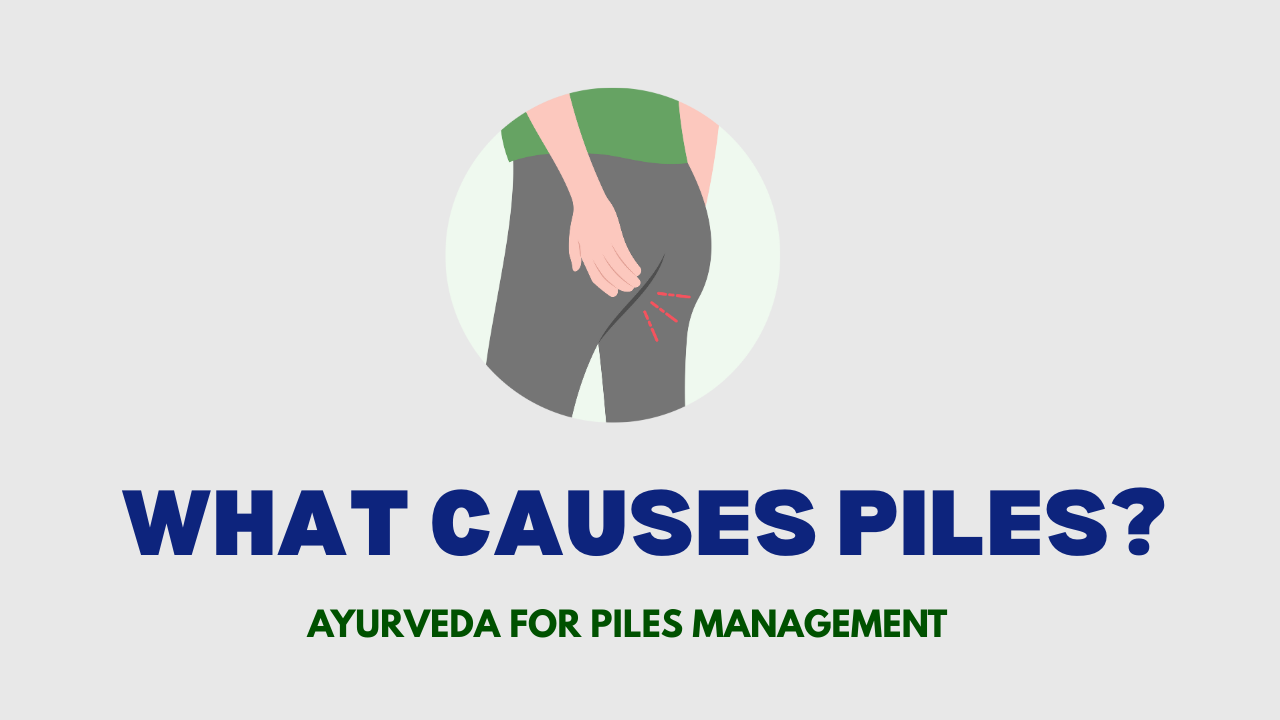
Common Causes of Piles
Several lifestyle and digestive factors may contribute to piles.
Chronic Constipation
Hard stools and straining place pressure on rectal veins.
Prolonged Sitting
Long sitting hours may increase pressure around the lower rectal area.
Low-Fiber Diet
Insufficient fiber may lead to poor bowel movement regularity.
Poor Hydration
Low water intake may contribute to hard stools and digestive discomfort.
Sedentary Lifestyle
Lack of movement may slow digestion and bowel function.
Who Is More Likely to Develop Piles?
Certain lifestyle habits and conditions may increase piles risk.
People more commonly affected include:
- Office workers with long sitting hours
- Individuals with chronic constipation
- Pregnant women
- People with low-fiber diets
- Individuals with inactive lifestyles
Maintaining healthy digestion and bowel habits is important for prevention.
Natural Ways to Support Piles Management
Increase Fiber Intake
Fiber-rich foods may help support smoother bowel movements.
Stay Hydrated
Drinking enough water supports digestive health naturally.
Avoid Excessive Straining
Gentle bowel habits may help reduce pressure on rectal veins.
Stay Physically Active
Movement supports digestion and bowel regularity.
Support Digestion Naturally
Healthy digestive habits are important for bowel wellness and comfort.
Foods That May Help Support Digestive Health
These foods may help support bowel regularity naturally:
- Papaya
- Soaked raisins
- Leafy vegetables
- Whole grains
- Flax seeds
- Warm water
- Fiber-rich fruits
- Amla
Balanced eating habits play an important role in digestive wellness.
Why Early Attention to Piles Matters
Ignoring piles symptoms may gradually increase:
- Discomfort
- Irritation
- Constipation
- Difficulty during bowel movements
- Daily discomfort
Early lifestyle support and digestive care may help maintain better comfort naturally.
Why Choose Pilesnib
For people experiencing piles discomfort, constipation, or digestive imbalance, Ayurvedic support may help maintain digestive wellness naturally.
Benefits of Pilesnib
- Supports digestive wellness naturally
- Helps support bowel regularity
- Supports daily digestive comfort
- Made with Ayurvedic ingredients
- Gentle herbal digestive support
- Supports healthy bowel habits
Its Ayurvedic formulation is designed to support digestive balance and natural wellness.
Expert Tips to Help Prevent Piles
- Drink enough water daily
- Avoid sitting for long hours
- Eat fiber-rich foods
- Exercise regularly
- Avoid delaying bowel movements
- Maintain healthy digestion
- Avoid excessive processed foods
Small lifestyle changes may help support better digestive comfort naturally.
Conclusion
Piles often begin with mild symptoms like itching, constipation, discomfort, or slight bleeding that many people ignore initially. However, early attention to digestive health and bowel habits may help support better comfort and overall wellness naturally.
Healthy eating habits, hydration, movement, and digestive support play an important role in maintaining bowel wellness. Understanding early symptoms and making timely lifestyle changes may help reduce discomfort and support healthier daily routines.
Support Digestive Wellness Naturally with Pilesnib
Experiencing constipation, bowel discomfort, or early signs of piles?
Try Pilesnib, an Ayurvedic formulation designed to support digestive balance, bowel regularity, and daily digestive comfort naturally.
Shop Pilesnib for Natural Piles Support.
FAQs
What are the first symptoms of piles?
Itching, mild discomfort, constipation, and slight bleeding are common early symptoms.
Can constipation cause piles?
Yes, chronic constipation and straining may increase pressure on rectal veins.
Is itching a sign of piles?
Persistent itching around the anal area may be an early piles symptom.
How can I support piles management naturally?
Fiber-rich foods, hydration, movement, and digestive support may help.
Can prolonged sitting increase piles risk?
Yes, long sitting hours may increase pressure around the rectal area.

 31Aug
31Aug  26Sep
26Sep  10Oct
10Oct  09Nov
09Nov 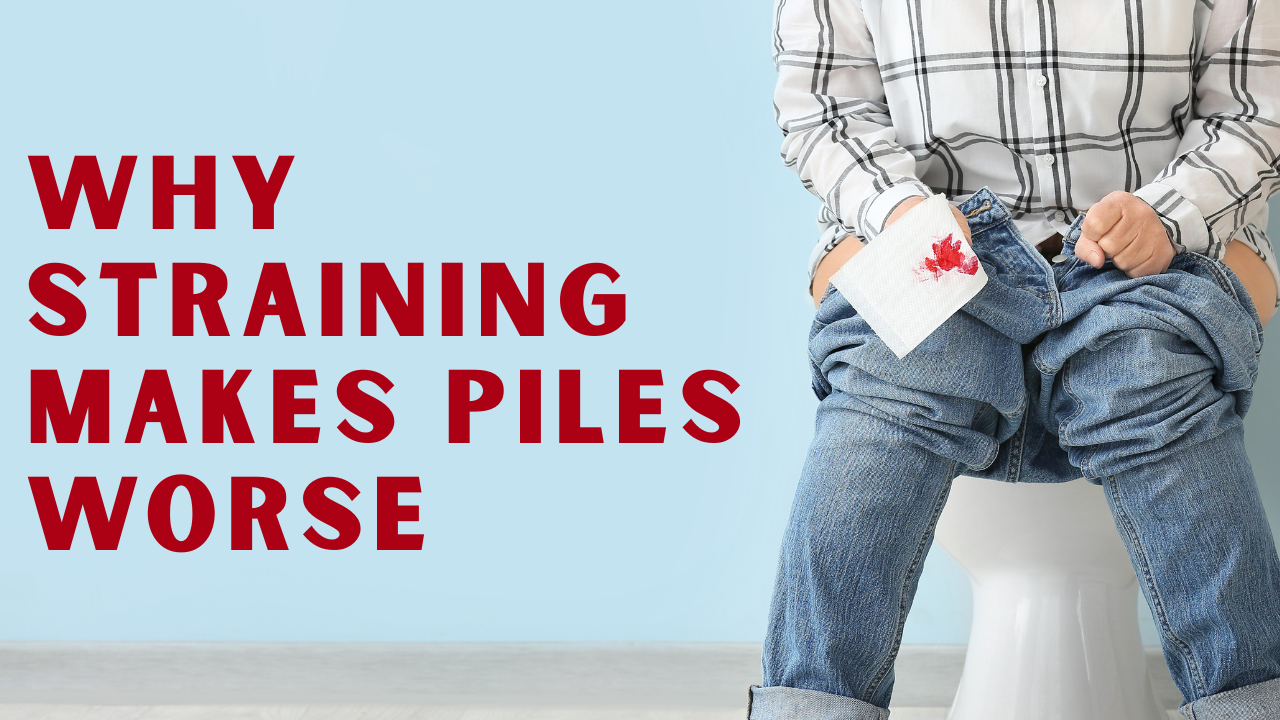 20Nov
20Nov 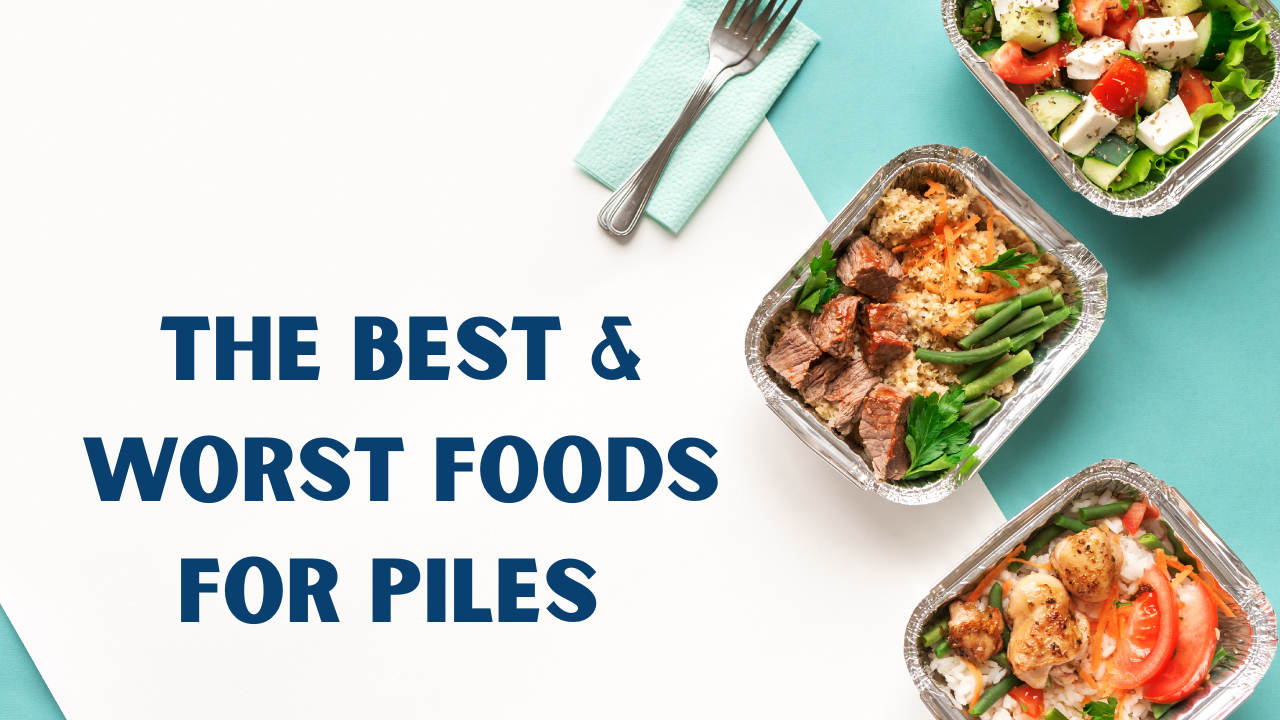 02Dec
02Dec 



Comments are closed