Introduction
Pain, bleeding, or discomfort during bowel movements can be alarming. Many people assume it’s piles (hemorrhoids), but similar symptoms can also be caused by anal fissure or fistula.
Understanding the difference between fissure vs fistula vs piles is important for early diagnosis and proper treatment. While these conditions affect the same area, their causes, symptoms, and severity are very different.
Piles are often linked to constipation and straining, while fissures are small tears, and fistulas are abnormal tunnels formed due to infection.
In this article, we’ll break down the key differences, causes, Ayurvedic perspective, and natural ways to manage piles effectively.
What is Piles
Piles are swollen veins in the rectum or anus that cause discomfort, itching, and bleeding.
Common symptoms include:
- Bleeding during bowel movements (bright red blood)
- Itching or irritation
- Swelling or lump near the anus
- Pain (especially in external piles)
Piles are often caused by chronic constipation, straining, low fiber diet, and prolonged sitting.
What is Fissure
An anal fissure is a small tear in the lining of the anus, usually caused by passing hard stools.
Symptoms include:
- Sharp pain during bowel movements
- Burning sensation
- Slight bleeding
- Discomfort after passing stools
Fissures are commonly linked to hard stools and constipation.
What is Fistula
A fistula is a more serious condition involving an abnormal tunnel between the anal canal and skin, usually due to infection.
Symptoms include:
- Persistent pain and swelling
- Pus or discharge
- Foul smell
- Fever (in some cases)
Fistulas usually require medical attention and do not resolve on their own.
Key Differences: Fissure vs Fistula vs Piles
Understanding the differences helps in identifying the condition early.
- Piles: Swollen veins, bleeding, itching, mild to moderate pain
- Fissure: Tear in anus, sharp pain, burning sensation
- Fistula: Infection-based tunnel, pus discharge, severe discomfort
While piles and fissures are often linked to constipation, fistula is usually caused by infection.
Causes of Piles
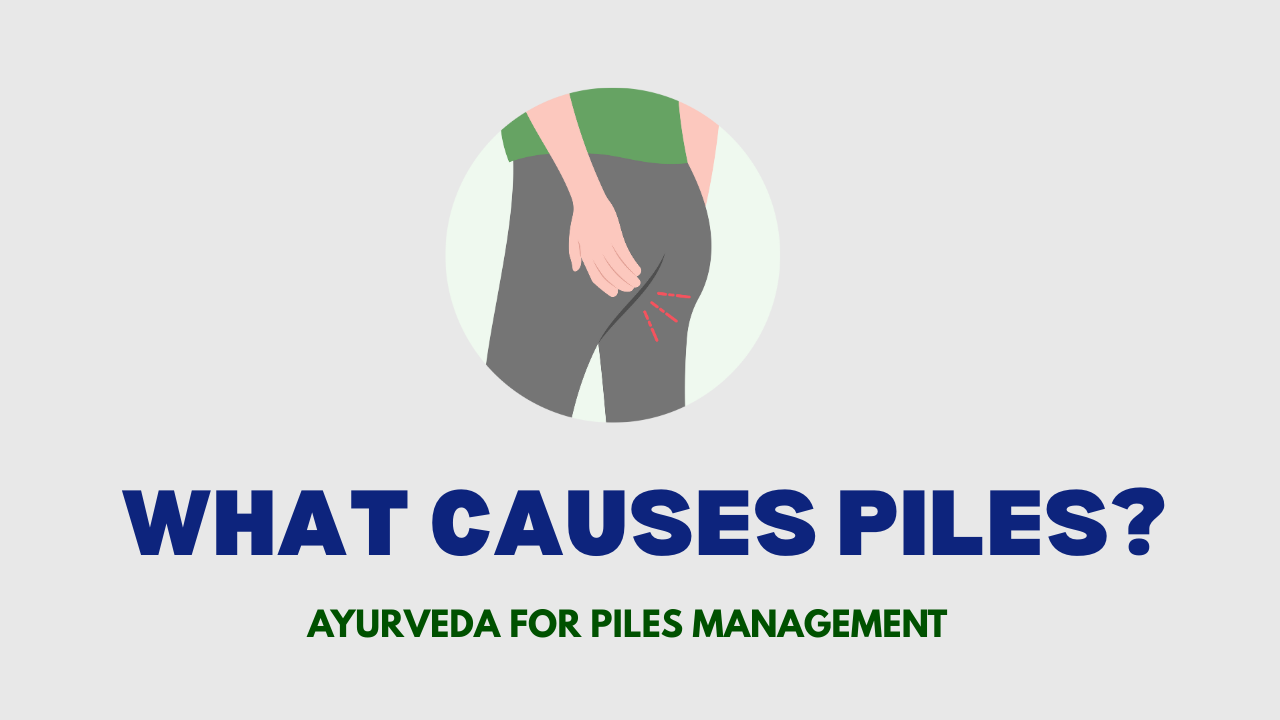
Piles are mainly caused by pressure in the rectal area.
Common causes include:
- Chronic constipation
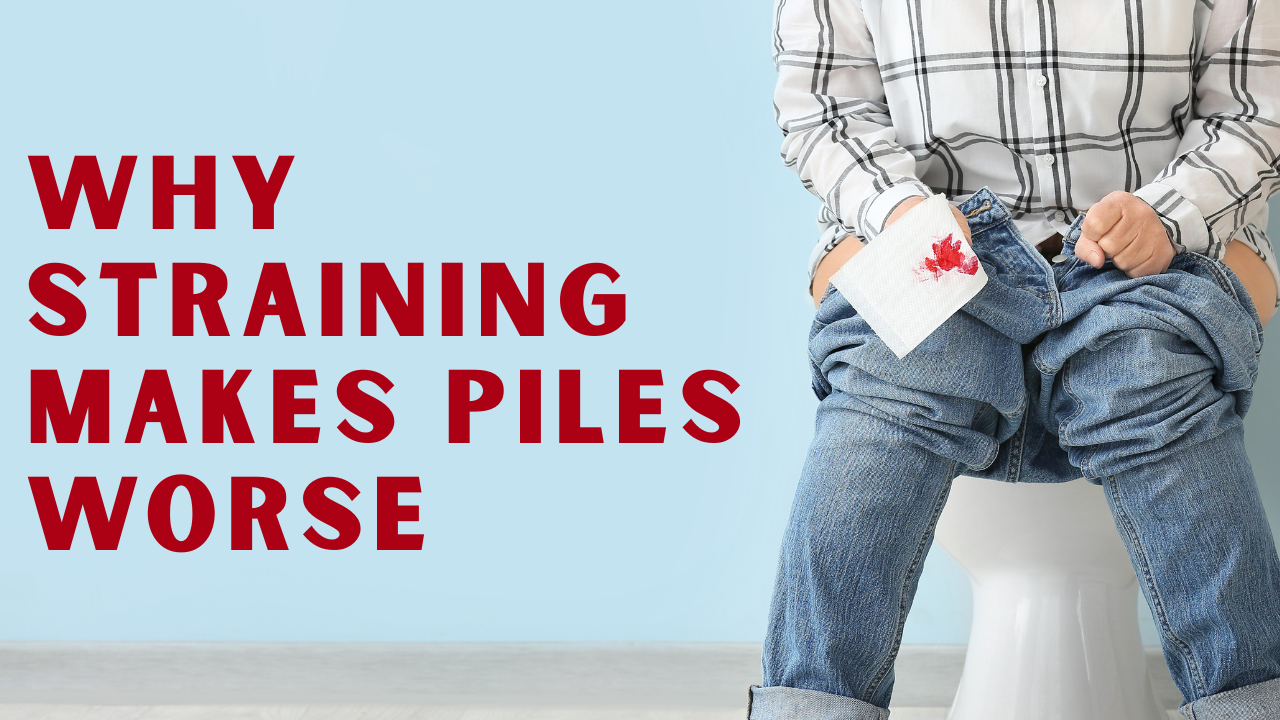
- Straining during bowel movements
- Low fiber diet
- Sedentary lifestyle
- Dehydration
- Long sitting hours
These factors increase pressure on veins, leading to piles.
Ayurvedic Perspective
In Ayurveda, piles are known as Arsha and are caused by imbalance in Vata and Pitta doshas.
- Vata imbalance leads to dryness and hard stools
- Pitta imbalance causes inflammation and bleeding
Poor digestion (Agni) leads to toxin buildup (Ama), worsening the condition.
Ayurveda focuses on:
- Improving digestion
- Softening stools
- Reducing inflammation
Best Ayurvedic Remedies for Piles
Triphala
Supports digestion and helps regulate bowel movements.
Isabgol (Psyllium Husk)
Softens stools and reduces strain during bowel movements.
Aloe Vera
Helps soothe inflammation and irritation.
Warm Sitz Bath
Provides relief from pain and improves blood circulation.
Diet Recommendations
Diet plays a major role in preventing and managing piles.
Foods to include:
- Fiber-rich fruits (papaya, banana)
- Vegetables
- Whole grains
- Plenty of water
Foods to avoid:
- Spicy foods
- Fried and oily foods
- Processed food
- Excess caffeine
A high-fiber diet reduces constipation and strain.
Lifestyle Recommendations
Healthy habits help prevent piles from worsening.
- Drink 8–10 glasses of water daily
- Avoid prolonged sitting
- Exercise regularly
- Don’t delay bowel movements
- Avoid straining
Consistency is key for relief.
Natural Support for Piles Relief
Along with diet and lifestyle changes, Ayurvedic support can help manage symptoms effectively.
Pilesnib is formulated with traditional Ayurvedic ingredients that help support smooth bowel movements, reduce strain, and promote digestive balance. When combined with proper hydration and fiber intake, it can help manage piles symptoms naturally.
Conclusion
While fissure, fistula, and piles may seem similar, they are very different conditions. Recognizing the symptoms early can help you take the right steps toward treatment.
Piles, in particular, can be effectively managed with diet, lifestyle changes, and Ayurvedic support. Paying attention to digestive health and avoiding constipation is the key to long-term relief.
FAQ
How do I know if it’s piles or fissure?
Piles usually cause bleeding and swelling, while fissures cause sharp pain during bowel movements.
Can piles turn into fistula?
No, but untreated infections can sometimes lead to fistula.
What is the main cause of piles?
Chronic constipation and straining are the main causes.
Is bleeding always due to piles?
Not always. It can also occur in fissures, so proper diagnosis is important.
Can piles be treated naturally?
Yes, with proper diet, hydration, and Ayurvedic remedies.


 31Aug
31Aug
 26Sep
26Sep
 10Oct
10Oct
 09Nov
09Nov
 20Nov
20Nov
 02Dec
02Dec





Comments are closed