Introduction
Piles, also known as hemorrhoids, are swollen veins in the rectal or anal region that can cause pain, itching, swelling, and bleeding during bowel movements. One of the biggest triggers behind piles symptoms is poor diet and digestion. When digestion slows down and stools become hard, the pressure on rectal veins increases, worsening the condition.
Many people focus only on medicines for piles but overlook a key factor, the foods they eat every day. Certain foods can irritate the digestive system, increase inflammation, and make bowel movements more difficult. Over time, these habits can worsen piles symptoms and lead to frequent flare-ups.
Understanding the foods to avoid in piles can help reduce irritation, improve digestion, and prevent constipation. In this article, we’ll explore what causes piles, how Ayurveda explains the condition, and which natural remedies, diet changes, and lifestyle habits can help manage piles more effectively.
What is Piles
Piles are swollen and inflamed veins located in the lower rectum or around the anus. They develop when pressure builds up in the rectal veins, causing them to stretch and enlarge.
There are two main types of piles:
- Internal piles, which occur inside the rectum
- External piles, which form under the skin around the anus
Common symptoms include pain during bowel movements, itching around the anal area, swelling, and bleeding while passing stools. Some people may also experience discomfort while sitting or a feeling of incomplete bowel movement.
Piles are commonly seen in people who suffer from chronic constipation, poor diet, sedentary lifestyle, or prolonged sitting.
Causes of Piles
Piles usually develop when there is repeated pressure on the veins in the anal region. Several dietary and lifestyle factors contribute to this problem.
Some common causes include:
- Low-fiber diet: Lack of fiber slows digestion and leads to hard stools.
- Chronic constipation: Straining during bowel movements increases pressure on rectal veins.
- Excess spicy foods: Spices may irritate the digestive system and worsen inflammation.
- Fried and processed foods: These foods are difficult to digest and can slow bowel movement.
- Dehydration: Not drinking enough water leads to harder stools.
- Sedentary lifestyle: Long hours of sitting reduce digestive movement.
- Pregnancy: Increased abdominal pressure can trigger piles.
Addressing these causes through diet and lifestyle improvements can help manage the condition effectively.
Ayurvedic Perspective
In Ayurveda, piles are referred to as Arsha, a condition caused by imbalance in the body’s doshas, especially Vata and Pitta.
When digestion weakens and toxins (Ama) accumulate in the body, it can lead to constipation and inflammation in the rectal veins. An aggravated Vata dosha causes dryness and hard stools, while excess Pitta may lead to burning sensation and bleeding.
Ayurvedic treatment focuses on improving digestion, removing toxins, balancing doshas, and promoting smooth bowel movements. This is achieved through herbal remedies, proper diet, and healthy daily habits.
Best Ayurvedic Remedies for Piles
Triphala
Triphala is one of the most widely used Ayurvedic formulations for digestive health. It helps regulate bowel movements and supports natural detoxification. Regular use can reduce constipation and help ease the pressure that contributes to piles.
Isabgol (Psyllium Husk)
Isabgol is a natural fiber supplement that absorbs water and softens stools. This helps improve bowel movement consistency and reduces straining during defecation.
Aloe Vera
Aloe vera is known for its soothing and anti-inflammatory properties. It helps calm irritation in the digestive tract and supports healthy digestion.
Castor Oil
Castor oil acts as a gentle natural laxative. It helps stimulate bowel movements and prevents stool hardening, which can reduce strain on rectal veins.
Diet Recommendations
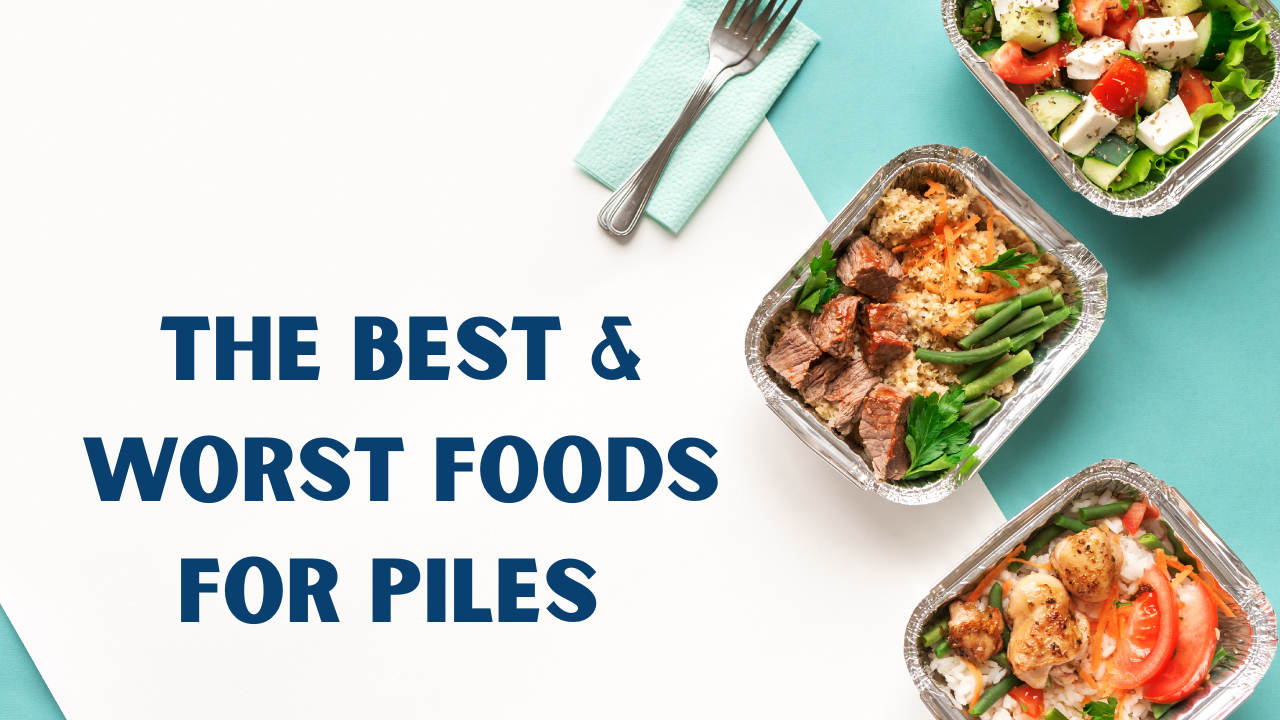
Diet plays a crucial role in managing piles and preventing flare-ups. Foods naturally rich in fiber help soften stools and support smoother digestion.
Foods to support piles recovery include:
- Whole grains such as oats and brown rice
- Fiber-rich fruits like papaya and apples
- Leafy vegetables such as spinach
- Hydrating foods like cucumber and watermelon
Foods to avoid in piles include:
- Spicy and chili-based foods
- Deep-fried and oily snacks
- Processed and packaged foods
- Excess caffeine and coffee
- Alcohol and sugary drinks
Reducing these foods can help minimize digestive irritation and improve bowel movement regularity.
Lifestyle Recommendations
Along with diet changes, simple lifestyle habits can greatly help in managing piles symptoms.
Helpful habits include:
- Drink 8–10 glasses of water daily to prevent constipation
- Engage in regular physical activity like walking or yoga
- Avoid prolonged sitting, especially on the toilet
- Maintain regular meal timings for better digestion
- Practice stress management techniques such as meditation or breathing exercises
Small lifestyle changes can significantly improve digestive health and reduce piles discomfort.
Conclusion
Piles can be uncomfortable and painful, but managing the condition becomes easier with the right dietary and lifestyle habits. One of the most important steps is identifying the foods to avoid in piles, as certain foods can worsen constipation and increase irritation.
By focusing on fiber-rich meals, staying hydrated, and following natural Ayurvedic remedies, individuals can support smoother digestion and reduce pressure on rectal veins. Consistent healthy habits play a key role in preventing piles symptoms from recurring.
Looking for Natural Relief from Piles?
Recurring constipation, hard stools, and digestive imbalance can make piles symptoms worse. Supporting digestion is key to long-term relief.
Pilesnib is an Ayurvedic formulation designed to support bowel regularity, reduce inflammation, and promote natural digestive balance. Used alongside a healthy diet, it can help manage piles symptoms more effectively.
FAQ
What foods should be avoided in piles?
Avoid spicy foods, fried snacks, processed foods, alcohol, and excessive caffeine. These foods can worsen constipation and increase irritation in hemorrhoids.
Can spicy food worsen piles?
Yes. Spicy food can irritate the digestive tract and increase burning or discomfort in the anal region.
Are fried foods bad for piles?
Fried foods are low in fiber and difficult to digest. They can slow digestion and contribute to harder stools.
Which foods help relieve piles?
Fiber-rich foods such as fruits, vegetables, whole grains, and legumes help soften stools and improve digestion.
How much water should you drink in piles?
Drinking 8–10 glasses of water daily helps keep stools soft and prevents constipation.


 31Aug
31Aug
 26Sep
26Sep
 10Oct
10Oct
 09Nov
09Nov
 20Nov
20Nov
 02Dec
02Dec




Comments are closed