
You’ve probably noticed it yourself, when you’re stressed, everything feels harder. Your energy dips, your mood tanks, and your confidence takes a hit. But here’s something many men don’t realize: chronic stress is literally sabotaging your testosterone levels. If you’re wondering why you feel less like yourself lately, understanding the connection between stress and testosterone ayurveda can offer real answers and solutions.
- How stress hormones directly suppress testosterone production
- Why the Ayurvedic perspective on stress differs from modern medicine and why that matters
- Practical daily habits to calm your nervous system and support hormonal balance
- What realistic timelines look like when restoring testosterone naturally
The Stress-Testosterone Connection: What’s Really Happening
When you’re under stress, your body floods itself with cortisol, your primary stress hormone. Think of cortisol as your body’s emergency alarm system. It’s helpful in short bursts when you need quick action, but when it stays elevated for weeks or months, it becomes a problem.
Here’s the brutal truth: high cortisol actively suppresses testosterone production. Your body literally prioritizes survival responses over reproductive hormones when it perceives threat. This isn’t a design flaw, it’s evolutionary logic. But modern life keeps your alarm system permanently switched on.
The stress-testosterone relationship works both ways too. Low testosterone itself increases anxiety and mood disturbances, which create more stress. It becomes a downward spiral unless you interrupt the cycle intentionally.
What Ayurveda Teaches Us About Stress and Hormonal Balance
Ayurveda doesn’t talk about cortisol or hormone receptors the way modern medicine does. Instead, it uses a different lens, one that’s surprisingly practical. Ayurveda views stress as an imbalance in Vata dosha, which governs your nervous system, thoughts, and movement of vital energy (prana) throughout your body.
When Vata becomes excessive, you experience anxiety, racing thoughts, poor sleep, and ultimately depletion of your vital essence and reproductive tissues. This ancient understanding maps remarkably well onto what we now know about stress hormones destroying testosterone.
Traditionally, Ayurvedic texts understood that the body has limited reserves of reproductive energy. When you’re constantly stressed, burned out, and overstimulated, your body cannibalizes these reserves to manage the perceived emergency. The Ayurvedic solution isn’t to fight stress head-on with willpower. Instead, it focuses on calming the nervous system, rebuilding resilience, and restoring the body’s capacity to handle demands without crashing. This perspective on stress and testosterone ayurveda principles suggests that deep, consistent rest is as important as any supplement or medication.
Ayurveda also recognizes that modern stress often involves digital overstimulation, irregular routines, poor sleep, and rushed eating all things that aggravate Vata dosha. These aren’t luxuries to ignore; they’re foundational to hormonal health.
Practical Ayurvedic Strategies to Restore Testosterone and Calm Stress
Here’s what you can actually do, starting this week. These aren’t complicated or expensive, they’re about consistency and prioritizing what matters.
- Establish a sleep routine: Go to bed and wake at the same time every day, even on weekends. Cortisol drops during deep sleep, and testosterone is produced primarily during nighttime. Aim for 7-9 hours.
- Practice daily grounding: Spend 10-15 minutes in nature without your phone. Sit on grass, feel the earth, or simply breathe fresh air. Ayurveda calls this connecting with the grounding energy that calms Vata.
- Use warm oil massage (Abhyanga): A 10-minute self-massage with warm sesame oil before bed activates your parasympathetic nervous system, your “rest and digest” mode. This directly counteracts stress physiology and supports testosterone production.
- Practice breathwork (Pranayama): Alternate nostril breathing for 5 minutes daily signals your nervous system that you’re safe. This simple practice demonstrably lowers cortisol.
- Eat warm, nourishing foods: Skip constant cold smoothies and raw salads. Instead, eat warm, freshly cooked meals with healthy fats, proteins, and grains. Nourishment itself is calming.
- Limit caffeine and stimulants: They keep Vata elevated and cortisol high. If you drink coffee, keep it to one cup with breakfast, never after 2 PM.
These practices work because they’re addressing the root – your nervous system rather than just the symptom.
Quick Reference: Stress Factors That Tank Testosterone
Understanding what’s working against you is half the battle. Here’s a breakdown of common stress triggers and how they affect your hormonal health:
| Stress Factor | How It Impacts Testosterone | Ayurvedic Solution |
|---|---|---|
| Irregular sleep schedule | Disrupts testosterone production (happens at night) | Fixed bedtime routine; warm milk with ashwagandha before bed |
| Constant digital stimulation | Keeps nervous system activated; elevated cortisol | No screens 1 hour before bed; digital fasting on weekends |
| Skipped or rushed meals | Body enters mini “famine” mode; cortisol spikes | Three warm, nourishing meals eaten mindfully |
| Overtraining without rest days | Chronic physical stress; cortisol remains elevated | Include restorative activities; at least 2 rest days weekly |
| Unresolved emotional tension | Perpetual stress response; blocks testosterone recovery | Meditation, journaling, or working with a counselor |
Realistic Expectations: How Long Does Recovery Take?
Let’s be honest, you didn’t get here overnight, and you won’t fix it overnight either. If you’ve been stressed for months or years, your body’s stress response system needs time to reset. Most men report noticing improvements in energy, mood, and confidence within 4-6 weeks of consistent practice.
However, deeper hormonal recovery like testosterone levels returning to healthy range typically takes 8-12 weeks of sustained changes. Some men see results in 6 weeks; others need 4 months. The timeline depends on how long you’ve been stressed, your genetics, sleep quality, and how strictly you follow these practices.
The key word is consistency. Doing these practices randomly won’t work. You need to approach them like brushing your teeth, non-negotiable daily habits. When you do, something interesting happens: your stress sensitivity actually decreases. The same situations that used to overwhelm you become manageable. That’s your nervous system truly healing, not just white-knuckling through stress.
Frequently Asked Questions
Can stress actually lower testosterone permanently?
No, testosterone levels are designed to recover once chronic stress is managed. However, if stress remains unaddressed for years, some men experience longer recovery timelines. The good news is that the body is remarkably resilient when you give it the right conditions.
Is exercise good or bad when I’m stressed?
Moderate exercise is beneficial, but intense training when you’re already chronically stressed can backfire by elevating cortisol further. Focus on walking, gentle yoga, swimming, or strength training with adequate rest days. Listen to your body.
Are there any Ayurvedic herbs that help with stress and testosterone?
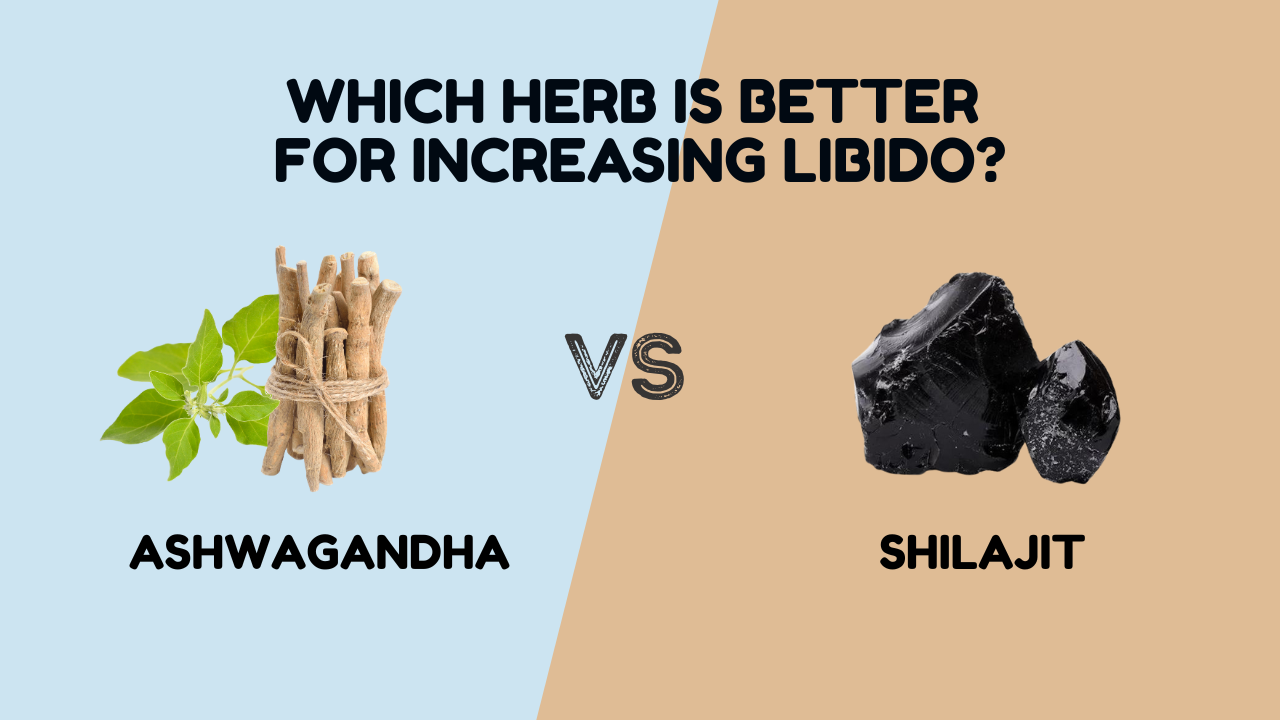
Ashwagandha, Shatavari, and Shilajit are traditionally used to calm the nervous system and support reproductive health. Always consult an Ayurvedic practitioner before starting herbs, especially if you’re on medications, as interactions are possible.
If you’re looking to support your body’s natural testosterone production while managing stress, many men find that combining lifestyle changes with targeted Ayurvedic formulations creates powerful results. You may want to explore Rasayan Amrit, a traditionally formulated supplement designed to support vigour, stamina, and overall wellness during times of stress and hormonal imbalance. When paired with the practices outlined above, it can help accelerate your recovery journey.











Comments are closed