Introduction
Stress is often considered a mental health issue, but few people realize that stress silently reduces physical strength over time. Chronic stress affects your muscles, stamina, recovery, immunity, and overall energy levels. When stress becomes persistent, the body stays in survival mode, slowly weakening physical performance without obvious warning signs.
Understanding how stress reduces physical strength is essential for long-term health and vitality.
What is Stress-Induced Physical Weakness?
Stress-induced physical weakness refers to the gradual decline in muscle strength, endurance, and recovery caused by prolonged mental or emotional stress.
When the body experiences stress, it releases cortisol and adrenaline. These hormones are helpful in short bursts, but when constantly elevated, they:
- Break down muscle tissue
- Reduce protein synthesis
- Impair recovery
- Drain energy reserves
- Disturb sleep cycles
Over time, this leads to reduced stamina, fatigue, and loss of physical resilience.
Several mechanisms explain how stress silently reduces physical strength:
1. Elevated Cortisol Levels
Chronic cortisol breaks down muscle protein and reduces muscle repair capacity.
2. Poor Sleep Quality
Stress disrupts deep sleep, which is essential for muscle recovery and growth.
3. Reduced Appetite or Poor Nutrition
Stress often leads to irregular eating habits, depriving the body of essential nutrients.
4. Nervous System Overload
Constant sympathetic activation (fight-or-flight mode) prevents proper physical restoration.
5. Increased Inflammation
Long-term stress promotes systemic inflammation, affecting muscle function and joint health.
Ayurvedic Perspective
In Ayurveda, chronic stress is linked to an aggravated Vata dosha, which governs the nervous system and movement in the body. Excess Vata leads to:
- Weak tissues (Dhatu Kshaya)
- Reduced muscle tone (Mamsa Dhatu depletion)
- Nervous exhaustion
- Sleep disturbances
- Fatigue
Ayurveda views strength (Bala) as a product of balanced digestion, strong tissues, and a calm nervous system. When stress disturbs this balance, physical strength gradually declines.
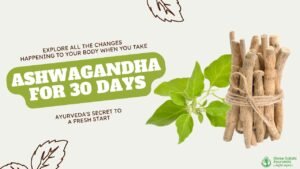
Ashwagandha is one of the most powerful adaptogenic herbs in Ayurveda. It helps:
- Lower cortisol levels
- Improve muscle strength
- Enhance stamina
- Support recovery
Regular use supports both nervous system balance and muscle resilience.
Brahmi
Brahmi primarily supports the nervous system and mental clarity. By calming the mind, it reduces stress-induced fatigue and improves overall energy regulation.
It helps:
- Improve focus
- Reduce anxiety
- Support better sleep
Shatavari
Shatavari nourishes body tissues and supports recovery. It is particularly helpful when stress leads to weakness and exhaustion.
Benefits include:
- Tissue nourishment
- Hormonal balance
- Energy restoration
Bala (Sida cordifolia)
Bala literally translates to “strength” in Ayurveda. It supports muscle tissue and improves physical endurance.
It helps:
- Strengthen muscles
- Improve stamina
- Support nervous system health
Diet Recommendations
To counter how stress silently reduces physical strength, diet must focus on nourishment and tissue repair.
Recommended foods:
- Warm, freshly cooked meals
- Ghee for tissue nourishment
- Milk with turmeric
- Soaked almonds
- Dates and figs
- Moong dal
- Whole grains
Avoid:
- Excess caffeine
- Processed foods
- Skipping meals
- Cold and dry foods
Eating at regular intervals stabilizes energy and supports muscle repair.
Lifestyle Recommendations
Lifestyle correction is essential to restore strength.
1. Prioritize Sleep
Sleep before 11 PM to support hormonal balance and muscle recovery.
2. Gentle Strength Training
Moderate exercise improves resilience but avoid overtraining.
3. Daily Oil Massage (Abhyanga)
Warm oil massage calms Vata and improves muscle tone.
4. Breathwork and Meditation
Deep breathing lowers cortisol and restores nervous system balance.
5. Structured Routine
Consistency in waking, meals, and sleep helps stabilize stress response.
Conclusion
Stress is not just a mental burden, it silently reduces physical strength by weakening muscles, disrupting recovery, and exhausting the nervous system. Chronic cortisol elevation, poor sleep, and inflammation gradually impair stamina and resilience.
From an Ayurvedic standpoint, stress aggravates Vata and depletes body tissues, leading to weakness. With proper herbal support, nourishing diet, and restorative lifestyle practices, physical strength can be rebuilt naturally.
Early intervention prevents long-term decline and restores vitality.
FAQ
Can stress really cause muscle weakness?
Yes. Chronic stress elevates cortisol, which breaks down muscle protein and reduces muscle recovery.
How long does it take to regain strength after stress?
Recovery depends on severity, but consistent sleep, nutrition, and stress management can show improvements within a few weeks.
Ashwagandha is considered one of the most effective herbs for improving strength, stamina, and stress resilience.


 25Aug
25Aug
 25Aug
25Aug
 26Aug
26Aug
 28Aug
28Aug
 31Aug
31Aug
 09Sep
09Sep



Comments are closed