Bleeding during bowel movements is one of the most alarming and uncomfortable symptoms of piles (hemorrhoids). Seeing blood can cause panic, but the good news is that piles bleeding can often be controlled safely and naturally with the right care and lifestyle changes.
Piles bleeding usually happens when swollen veins in the rectal area become irritated, inflamed, or damaged due to pressure, constipation, or straining. Addressing the root cause is essential to stop bleeding and prevent recurrence.
This guide explains how to stop piles bleeding safely, naturally, and effectively.
Why Do Piles Bleed?
Piles are swollen blood vessels in the rectum or anus. When these veins are under constant pressure, they become fragile and prone to injury.
Bleeding typically occurs because of:
- Passing hard stools
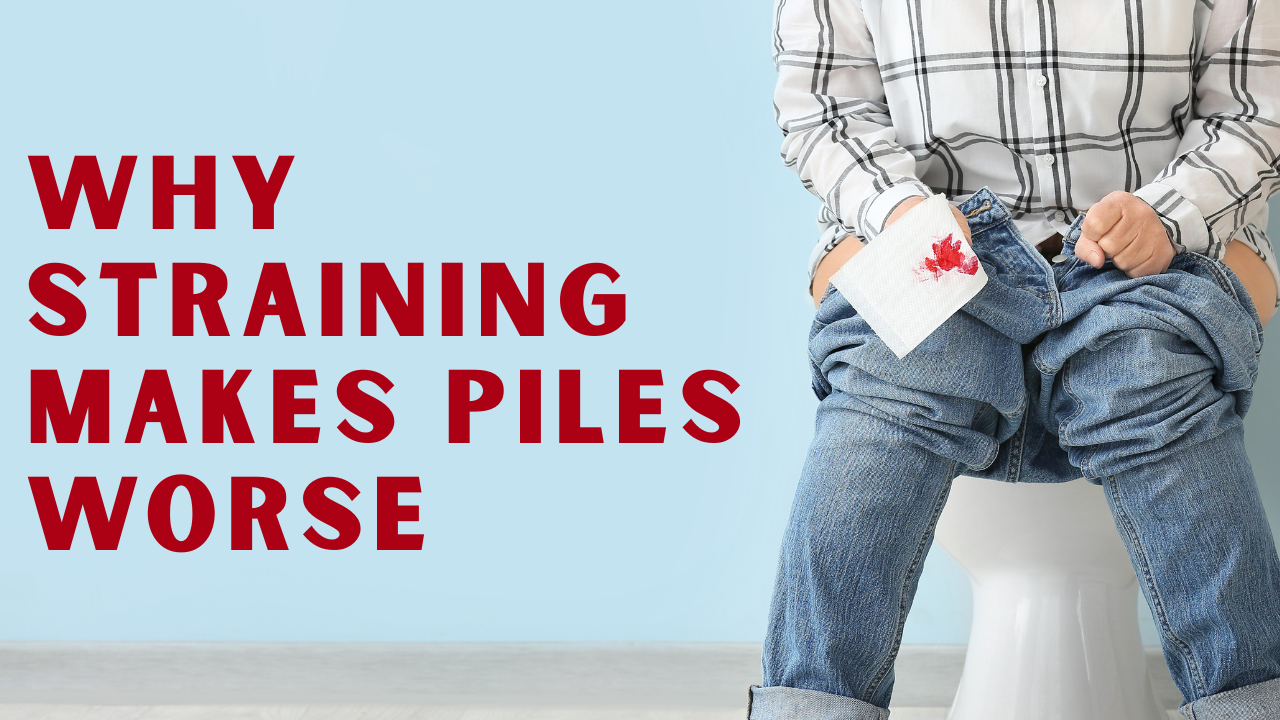
- Straining during bowel movements
- Chronic constipation
- Sitting for long periods
- Poor digestion
- Low fiber intake
When hard stool passes through, it scratches or irritates these swollen veins, causing bleeding.
Ignoring this can worsen inflammation and delay healing.
Is Bleeding in Piles Dangerous?
In most cases, piles bleeding is not life-threatening. It usually appears as bright red blood during or after bowel movements.
However, frequent bleeding can cause:
- Weakness
- Fatigue
- Increased inflammation
- Worsening piles condition
Stopping the bleeding early helps prevent complications and speeds up healing.
How to Stop Bleeding in Piles Naturally
Natural approaches focus on reducing pressure, healing damaged veins, and improving digestion.
Hard stool is the biggest trigger for bleeding.
To soften stool:
- Drink 2–3 liters of water daily
- Eat fiber-rich foods like fruits, vegetables, and whole grains
- Avoid dry, processed foods
- Never delay bowel movements
Soft stool reduces friction and allows veins to heal.
2. Take Warm Sitz Baths
A sitz bath involves sitting in warm water for 10–15 minutes.
This helps:
- Improve blood circulation
- Reduce inflammation
- Relax muscles
- Promote healing
- Reduce bleeding
Do this 1–2 times daily for best results.
3. Avoid Straining During Bowel Movements
Straining increases pressure on rectal veins and worsens bleeding.
To avoid straining:
- Do not force bowel movements
- Respond immediately to natural urges
- Improve digestion through proper diet
- Stay physically active
Less pressure allows veins to recover faster.
4. Increase Fiber Intake Gradually
Fiber improves stool consistency and prevents constipation.
Best fiber sources include:
- Oats
- Fruits like papaya and apple
- Vegetables like spinach and carrots
- Whole grains
Fiber reduces irritation and prevents further bleeding.
5. Stay Physically Active
Movement improves digestion and blood circulation.
Regular activity helps:
- Prevent constipation
- Reduce vein pressure
- Improve gut function
- Support healing
Even 20–30 minutes of walking daily can help significantly.
6. Avoid Sitting for Long Periods
Prolonged sitting increases pressure in the rectal area.
Take breaks every 30–60 minutes and move around to improve circulation.
This reduces pressure on swollen veins.
Ayurvedic Approach to Stop Piles Bleeding
Ayurveda focuses on healing damaged veins, reducing inflammation, and improving digestion.
Natural herbal support can help:
- Strengthen vein walls
- Reduce swelling
- Support tissue healing
- Improve bowel movement consistency
Support Healing with Pilesnib
Pilesnib helps reduce piles inflammation, supports vein healing, and helps control bleeding naturally.
It works by addressing the root causes like poor digestion, inflammation, and vein weakness.
When combined with proper diet, hydration, and lifestyle care, Pilesnib can help speed recovery and prevent recurrence.
Foods That Help Stop Piles Bleeding
Certain foods promote healing and reduce irritation.
Helpful foods include:
- Fiber-rich fruits and vegetables
- Warm fluids
- Whole grains
- Easily digestible meals
Avoid:
- Spicy foods
- Fried foods
- Alcohol
- Processed foods
These worsen inflammation and slow healing.
When Does Bleeding Stop?
With proper care, bleeding often reduces within a few days.
Healing speed depends on:
- Severity of piles
- Diet and hydration
- Constipation management
- Lifestyle habits
Consistent care ensures faster recovery.
When to See a Doctor
Consult a doctor if:
- Bleeding is heavy or frequent
- Bleeding continues for many days
- You feel weakness or dizziness
- Pain becomes severe
Proper evaluation ensures correct treatment.
Conclusion
Bleeding in piles happens due to pressure, irritation, and constipation. The key to stopping bleeding naturally is reducing pressure, improving digestion, and supporting vein healing.
Simple steps like increasing fiber intake, drinking enough water, avoiding straining, and supporting healing with herbal care like Pilesnib can help stop bleeding safely and prevent recurrence.
Early care leads to faster recovery and long-term relief.
FAQs
How can I stop piles bleeding immediately?
Softening stool, staying hydrated, and taking warm sitz baths help reduce bleeding quickly.
How long does piles bleeding last?
It usually improves within a few days with proper care and treatment.
Can piles bleeding heal naturally?
Yes. With proper diet, hydration, and lifestyle changes, piles bleeding can heal naturally.
What makes piles bleeding worse?
Constipation, straining, dehydration, and prolonged sitting worsen bleeding.
Is bleeding piles serious?
Occasional bleeding is common, but frequent bleeding should be evaluated by a doctor

 31Aug
31Aug
 26Sep
26Sep
 10Oct
10Oct
 09Nov
09Nov
 20Nov
20Nov
 02Dec
02Dec



Comments are closed