If you’re looking for Ayurvedic support as part of your piles-care routine, Pilesnib can be incorporated alongside healthy digestive and bowel habits.
For a complete approach, focus on:
Fibre + hydration + movement + healthy toilet habits + appropriate care
Pilesnib should complement a healthy lifestyle and should not replace medical evaluation when symptoms are persistent, severe, or unusual.
When Should You See a Doctor?
Don’t automatically assume that every anal symptom is caused by piles.
Get medical advice if you experience:
Rectal bleeding
Severe or worsening pain
A new or unusual lump
Persistent itching or swelling
Repeated episodes of piles
Significant changes in bowel habits
Symptoms that don’t improve with basic care
Rectal bleeding can have several causes, so persistent or unexplained bleeding should always be evaluated.
The Bottom Line
The main difference is simple:
Internal piles develop inside the rectum, while external piles develop under the skin around the anus.
Internal piles are more commonly associated with painless bright-red bleeding, while external piles are more likely to cause pain, swelling, tenderness, or a noticeable lump.
However, symptoms can overlap, and other conditions can cause similar problems.
Focus on healthy bowel habits, adequate fibre and fluids, regular movement, and avoiding excessive straining.
For additional Ayurvedic support, Pilesnib can be part of a broader piles-care routine.
Know the difference. Understand your symptoms. Take better care of your digestive health.
FAQs
What is the main difference between internal and external piles? Internal piles develop inside the rectum, while external piles form around the anus.
Which type of piles is more painful? External piles are generally more likely to cause pain and tenderness.
Can internal piles bleed? Yes. Bright-red bleeding during bowel movements is a common symptom.
Can external piles cause a lump? Yes. External piles can cause a noticeable lump or swelling.
Can Pilesnib support piles care? Yes, Pilesnib can be incorporated into an Ayurvedic piles-care routine.
Ayurveda is a lighthouse of comprehensive treatment in today’s fast-paced world, where contemporary medicine frequently concentrates on treating symptoms. Rooted...
In today’s fast-paced, high-stress lifestyle, sexual wellness often takes a backseat. Concerns like low libido, erectile dysfunction (ED), or performance...
Piles, also known as hemorrhoids or Arsha in Ayurveda, are a common but uncomfortable condition affecting many. If you’re searching for natural piles treatment without...
If you’re looking for ways to ease discomfort from piles (haemorrhoids) and support better circulation in the lower body, yoga offers a gentle and effective...
Straining on the toilet is a silent but powerful contributor to piles (hemorrhoids). This forceful pushing raises pressure in the rectal veins, inflames swollen tissues,...
Piles, or haemorrhoids, affect millions of people but are often ignored due to embarrassment. In Ayurveda, piles are known as Arsha, caused by imbalanced Vata,...


 31Aug
31Aug  26Sep
26Sep  10Oct
10Oct  09Nov
09Nov 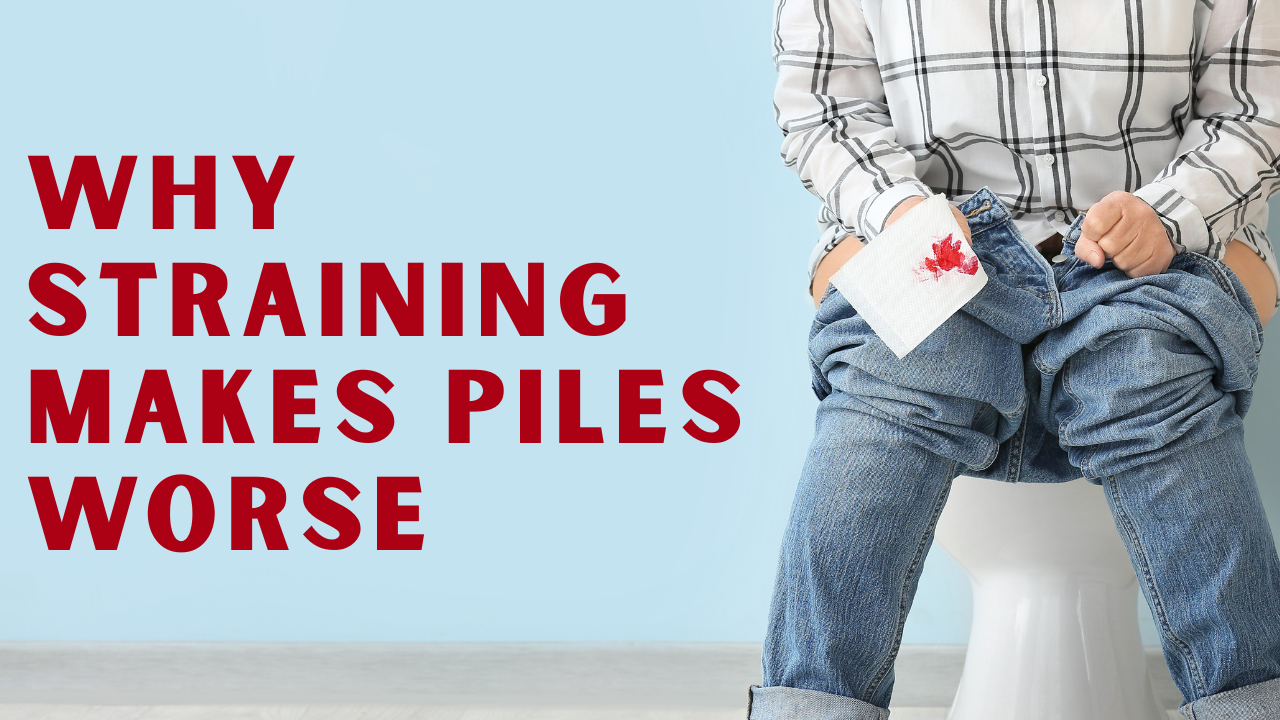 20Nov
20Nov  02Dec
02Dec 




Comments are closed