Quick Summary
Your digestive system responds not only to what you eat, but also to your daily routine. Eating at inconsistent times, skipping meals, eating very late, drinking too little water, and following an irregular lifestyle may affect your digestive routine and bowel habits.
While irregular meal timings do not directly cause constipation in everyone, an inconsistent eating pattern can sometimes go hand in hand with other habits that contribute to constipation, such as low fiber intake, inadequate hydration, lack of physical activity, and ignoring the urge to have a bowel movement.
Let’s understand the connection between meal timing and constipation and what you can do to support more regular digestion.
Can Irregular Meal Timings Cause Constipation?
Irregular meal timings may contribute to constipation indirectly, particularly when they are part of an overall inconsistent lifestyle.
Your digestive system follows daily patterns. Eating stimulates movement in the digestive tract, including the gastrocolic reflex, which can encourage the colon to move its contents after a meal.
When meals are frequently skipped or your eating schedule changes from day to day, your overall digestive routine may also become less predictable.
However, constipation usually has multiple possible causes. Diet, fluid intake, physical activity, medications, stress, changes in routine, and certain medical conditions can all play a role.
So, rather than blaming meal timing alone, it is more useful to look at your complete daily routine.
5 Ways Irregular Eating Habits May Affect Your Digestion
1. Skipping Meals May Disrupt Your Digestive Routine
When you regularly skip meals, you may also reduce the number of times your digestive system receives a natural stimulus for movement.
This doesn’t mean that skipping one meal will cause constipation. But if skipping meals becomes a regular habit, especially alongside a low-fiber diet and poor hydration, it may contribute to an irregular bowel routine.
Try this: Aim for a reasonably consistent eating schedule that fits your lifestyle rather than frequently going long periods without food.
2. Irregular Meals Often Come With Poor Food Choices
A busy schedule can make it difficult to eat balanced meals.
You might skip breakfast, grab a quick snack later, order highly processed food, or eat whatever is convenient at the end of the day.
These habits can sometimes mean less dietary fiber from fruits, vegetables, whole grains, legumes, nuts, and seeds.
Since fiber helps add bulk to stool and supports regular bowel movements, consistently getting too little fiber can increase the risk of constipation.
Try this: Include a source of fiber in your main meals instead of relying heavily on processed convenience foods.
3. Late Meals Can Affect Your Overall Routine
Eating late isn’t automatically harmful, and eating after a particular hour does not automatically cause constipation.
The bigger concern is what often comes with an inconsistent schedule.
Late meals may be associated with reduced physical activity, irregular sleep, rushed eating, or inadequate fluid intake during the day.
A more consistent daily routine can make it easier to maintain healthy eating, hydration, movement, and bathroom habits.
Try this: Instead of worrying about a specific “cut-off time,” aim for a routine that allows you to eat comfortably and maintain regular daily habits.
4. Busy Days Can Mean Less Water
When you’re rushing between work, travel, errands, and other responsibilities, drinking enough fluids can easily become an afterthought.
Inadequate fluid intake can contribute to harder stools, particularly when your fiber intake increases without enough fluids.
Keep water accessible throughout the day and drink regularly according to your individual needs.
Try this: Carry a water bottle and make hydration part of your daily routine rather than waiting until you’re very thirsty.
5. An Irregular Schedule Can Affect Your Bathroom Habits
Constipation isn’t only about food.
Some people regularly ignore the urge to have a bowel movement because they’re at work, travelling, or simply too busy.
Over time, repeatedly delaying bowel movements can make it harder to maintain a regular bowel routine.
Your body may also naturally encourage a bowel movement after eating, particularly after breakfast or another substantial meal.
Try this: Give yourself enough time and privacy to use the bathroom when you feel the urge.
What Is the Best Meal Routine for Better Digestion?
There isn’t one perfect meal schedule that works for everyone.
Instead, focus on consistency and balance.
A digestion-friendly routine may include:
- Eating meals at relatively consistent times
- Including adequate dietary fiber
- Drinking enough fluids
- Eating a variety of fruits and vegetables
- Including whole grains and legumes where appropriate
- Staying physically active
- Eating slowly and chewing food properly
- Avoiding the habit of repeatedly ignoring the urge to pass stool
- Getting adequate sleep
- Managing everyday stress
These simple habits can support healthy digestion and regular bowel movements.
What Does Ayurveda Say About Meal Timing?
Ayurveda traditionally places importance on regular daily routines, including appropriate meal timing and digestive health.
The concept of Agni, or digestive fire, is central to Ayurvedic approaches to digestion. Traditional Ayurvedic guidance generally emphasizes eating appropriately for your individual constitution, appetite, digestion, and routine rather than following a rigid schedule that applies to everyone.
From an Ayurvedic lifestyle perspective, consistent routines, mindful eating, appropriate food choices, adequate rest, and attention to digestion are often considered important parts of maintaining overall wellness.
However, persistent constipation should not simply be attributed to an imbalance or treated solely through home remedies. Identifying the underlying cause is important.
Simple Daily Habits to Help Prevent Constipation
You don’t necessarily need a complicated routine to support regular digestion.
Start Your Day With Hydration
Have fluids regularly throughout the day and pay attention to your body’s hydration needs.
Add More Fiber Gradually
Include foods such as vegetables, fruits, whole grains, beans, lentils, nuts, and seeds.
If you’re suddenly increasing your fiber intake, do it gradually and maintain adequate fluid intake.
Move Your Body
Regular physical activity can support normal bowel function. Even a daily walk can be a useful addition to your routine.
Don’t Ignore the Urge
When your body signals that it’s time to use the bathroom, try not to repeatedly postpone it.
Create a Consistent Routine
Regular meals, sleep, movement, and bathroom habits can make your overall digestive routine more predictable.
Can Fixing Meal Timings Relieve Constipation?
It can help support better bowel regularity, particularly if irregular eating is accompanied by other lifestyle factors such as low fiber intake, inadequate hydration, or inactivity.
But changing meal times alone isn’t a guaranteed solution.
If constipation is persistent, recurring, severe, or accompanied by symptoms such as blood in the stool, unexplained weight loss, vomiting, severe abdominal pain, or a significant change in bowel habits, seek medical advice.
Constipation Relief: Building a Better Routine
If occasional constipation is making you uncomfortable, improving your everyday habits can be an important first step.
Along with regular meals, adequate hydration, fiber-rich foods, and physical activity, some people also choose digestive wellness products as part of their routine.
Constipation Relief Powder can be explored as part of your constipation-care routine. Use it according to the product directions and consult a qualified healthcare professional if constipation is persistent or you have underlying health concerns.
CTA:
Support Your Digestive Routine
Looking for additional support for occasional constipation?
Explore Constipation Relief Powder by Shree Sakshi Ayurveda and make digestive care a part of your everyday wellness routine.
The Bottom Line
Can irregular meal timings cause constipation?
Not necessarily on their own but an inconsistent eating routine can sometimes be linked with other habits that make constipation more likely.
Instead of focusing on one factor, look at your complete digestive routine: regular meals, fiber, hydration, physical activity, sleep, stress, and healthy bathroom habits all matter.
Your digestive system doesn’t need a complicated routine.
Sometimes, consistency is the simplest place to start.
FAQs
Can skipping breakfast cause constipation?
Skipping breakfast does not automatically cause constipation, but eating regularly may help support a predictable digestive routine for some people.
Is eating late at night bad for constipation?
Eating late does not automatically cause constipation. Overall diet, hydration, activity, and bowel habits are more important factors.
How much fiber should I eat for constipation?
Fiber needs vary by individual. Adults generally need a substantial daily intake of dietary fiber, and increasing it gradually with adequate fluids can help support bowel regularity.
Can drinking more water help constipation?
Adequate fluid intake can help prevent stools from becoming excessively hard, particularly when you’re consuming more fiber.
Does walking help with constipation?
Regular physical activity, including walking, can support normal bowel function and is a useful part of a healthy lifestyle.
When should I see a doctor for constipation?
Seek medical advice if constipation is persistent, severe, keeps returning, or occurs with symptoms such as blood in the stool, severe abdominal pain, vomiting, unexplained weight loss, or a major change in bowel habits.


 16Nov
16Nov  29Nov
29Nov 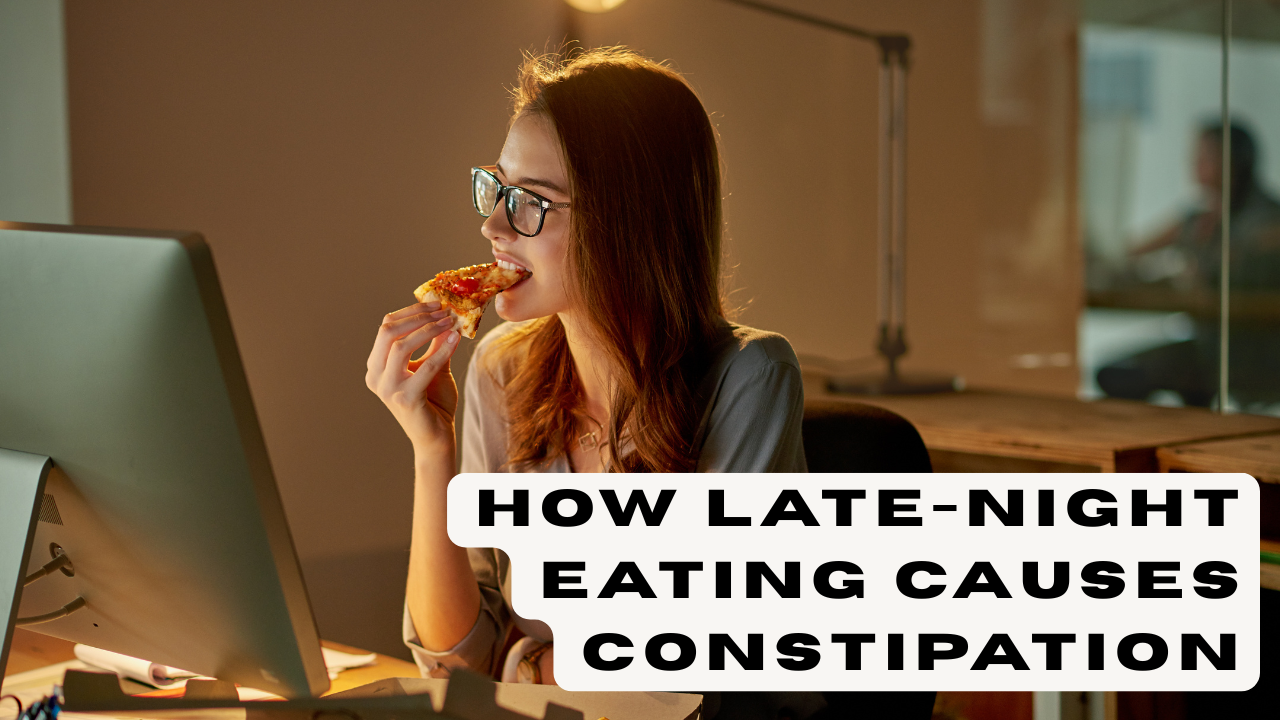 10Dec
10Dec  20Dec
20Dec  13Jan
13Jan  17Jan
17Jan 




Comments are closed