Introduction
Testosterone plays a crucial role in a man’s overall health. It affects muscle strength, energy levels, mood, libido, and reproductive health. However, many men experience a gradual decline in testosterone levels without realizing it.
The early low testosterone signs are often subtle. Fatigue, reduced stamina, low sex drive, and mood changes may appear slowly and are often mistaken for stress or aging. Over time, these symptoms can start affecting physical performance, emotional wellbeing, and sexual health.
Understanding the symptoms of low testosterone is important for addressing the issue early. Lifestyle habits, stress, poor diet, and hormonal imbalance can all contribute to declining testosterone levels.
In this article, we’ll explore the common low testosterone signs, what causes them, how Ayurveda views hormonal imbalance, and the natural remedies that may help support healthy testosterone levels.
What is Low Testosterone
Low testosterone, also known as testosterone deficiency, occurs when the body does not produce enough of this important male hormone.
Testosterone is primarily produced in the testes and plays a key role in maintaining muscle mass, bone density, sexual function, and energy levels.
When testosterone levels drop below the normal range, men may start noticing several physical and emotional changes.
Common low testosterone symptoms include:
- Reduced sexual desire
- Fatigue and low energy
- Decreased muscle strength
- Mood changes or irritability
- Difficulty maintaining erections
Low testosterone can affect men at any age, although it is more commonly seen after the age of 30 when hormone levels naturally begin to decline.
Causes of Low Testosterone
Several lifestyle and physiological factors can contribute to testosterone deficiency.
The most common causes include:
- Chronic stress – High cortisol levels can suppress testosterone production.
- Poor diet – Nutrient deficiencies can affect hormone balance.
- Lack of physical activity – Sedentary lifestyles can reduce testosterone levels.
- Poor sleep quality – Testosterone production occurs mainly during sleep.
- Obesity – Excess body fat can disrupt hormonal balance.
- Aging – Testosterone levels naturally decline with age.
Addressing these factors through healthier habits can significantly support hormonal balance.
Ayurvedic Perspective
In Ayurveda, declining testosterone and reduced sexual vitality are often associated with Shukra Dhatu imbalance. Shukra Dhatu is the reproductive tissue responsible for vitality, fertility, and sexual strength.
When digestion weakens and toxins (Ama) accumulate in the body, the nourishment of deeper tissues including Shukra Dhatu becomes compromised.
Imbalance in Vata and Pitta doshas may also contribute to fatigue, reduced stamina, and weakened reproductive strength.
Ayurveda focuses on restoring hormonal balance by improving digestion, strengthening body tissues, reducing stress, and supporting overall vitality through herbal remedies and lifestyle practices.
Best Ayurvedic Remedies for Low Testosterone Signs
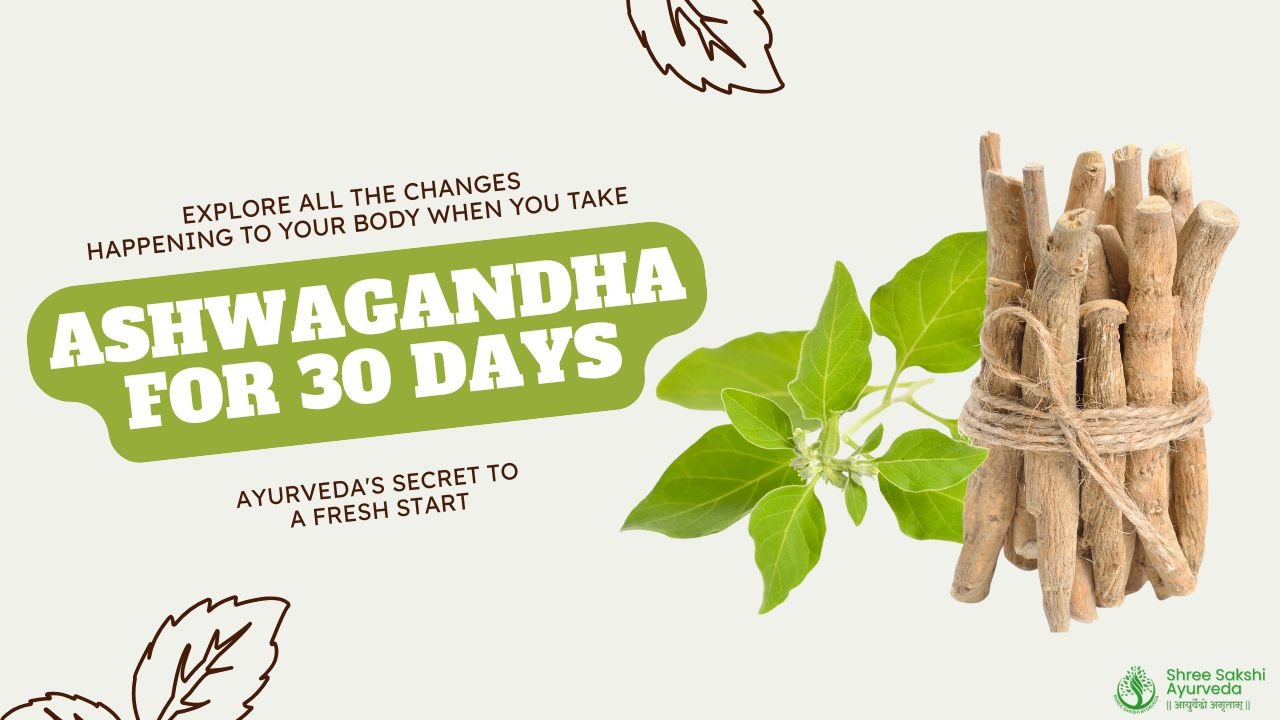
Ashwagandha
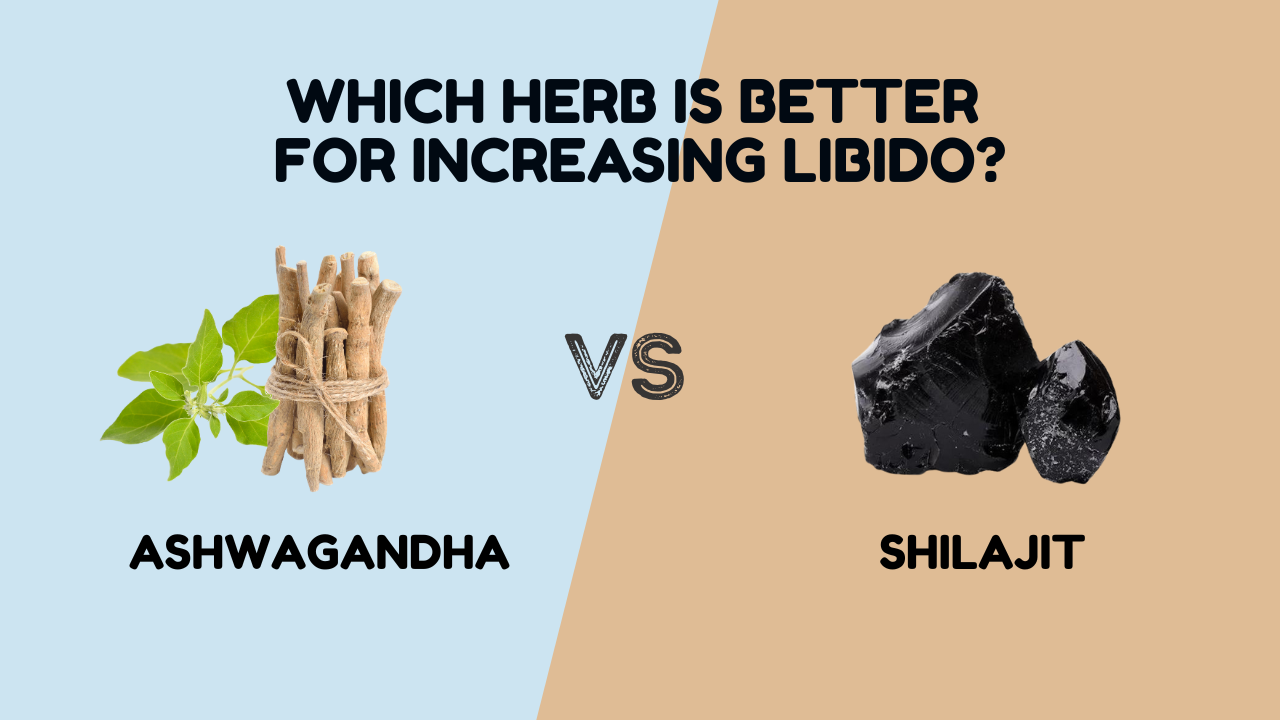
Ashwagandha is one of the most well-known Ayurvedic herbs for improving strength and vitality. It helps reduce stress, support hormone balance, and improve stamina and energy levels.
Shilajit
Shilajit is traditionally used to enhance physical performance and reproductive health. It supports energy production, improves endurance, and may help support healthy testosterone levels.
Safed Musli
Safed Musli is commonly used in Ayurveda to improve male vitality and reproductive strength. It helps support stamina, libido, and overall sexual wellness.
Gokshura
Gokshura is known for supporting reproductive health and physical performance. It may help improve strength, vitality, and hormonal balance.
Diet Recommendations
A balanced diet plays a major role in supporting healthy testosterone levels.
Certain foods provide essential nutrients needed for hormone production.
Foods that support testosterone health:
- Eggs and dairy products
- Nuts and seeds such as almonds and pumpkin seeds
- Leafy green vegetables
- Whole grains and legumes
- Healthy fats like olive oil and ghee
Foods to limit:
- Excess sugar and refined carbohydrates
- Processed and packaged foods
- Excess alcohol
- Trans fats and deep-fried foods
Eating nutrient-rich meals helps support hormone balance and overall vitality.
Lifestyle Recommendations
Healthy daily habits can significantly improve energy levels and hormonal balance.
Helpful lifestyle practices include:
- Regular strength training or exercise
- Adequate sleep (7–8 hours per night)
- Stress management through meditation or yoga
- Maintaining a healthy body weight
- Limiting alcohol and smoking
Consistent lifestyle improvements can naturally support the body’s hormonal system.
Natural Support for Male Vitality
While improving diet, sleep, and physical activity can help support hormone balance, many men also turn to Ayurvedic herbal formulations to improve stamina and vitality naturally.
Rasayan Amrit is an Ayurvedic formulation designed to support male strength, energy levels, and reproductive health. Its blend of traditional herbs helps nourish body tissues
FAQ
What are the common signs of low testosterone?
Common signs include fatigue, low libido, reduced muscle strength, mood changes, and difficulty maintaining erections.
At what age does testosterone start declining?
Testosterone levels usually begin to decline slowly after the age of 30.
Can lifestyle changes improve testosterone levels?
Yes. Regular exercise, healthy diet, proper sleep, and stress management can support healthy hormone balance.
Which foods help boost testosterone?
Foods rich in healthy fats, protein, zinc, and vitamins such as eggs, nuts, seeds, and leafy vegetables can support testosterone production.


 22Feb
22Feb
 21Aug
21Aug
 22Aug
22Aug
 06Sep
06Sep
 11Sep
11Sep
 23Sep
23Sep





Comments are closed