Piles, also known as hemorrhoids, are swollen veins around the anus or lower rectum.
They are common, but many misconceptions still exist about what causes them and how they should be treated.
Let’s separate some of the most common piles myths from the facts.
Myth 1: Piles Only Happen to Older People
Fact: Piles can affect adults of different ages.
Age can increase the risk, but younger adults can also develop piles.
Constipation, straining, prolonged toilet sitting, pregnancy, low-fibre diets, and heavy lifting can all contribute.
Myth 2: Spicy Food Causes Piles
Fact: Spicy food isn’t a primary cause of piles.
Constipation, straining, prolonged toilet sitting, and low fibre intake are more commonly associated with hemorrhoids.
If spicy foods worsen your discomfort, reducing them may help, but they aren’t the sole cause of piles.
Myth 3: Piles Always Need Surgery
Fact: Many cases don’t require surgery.
Mild piles may improve with simple lifestyle changes such as:
- Eating more fibre
- Drinking enough water
- Avoiding excessive straining
- Spending less time on the toilet
- Staying physically active
Some severe or persistent cases may require medical procedures, but surgery isn’t automatically necessary.
Myth 4: You Should Avoid Exercise If You Have Piles
Fact: Regular movement can support healthy bowel function.
Walking, swimming, cycling, and other comfortable forms of exercise can help keep you active and may reduce constipation.
If an activity causes significant discomfort, modify it and seek professional advice if needed.
Myth 5: Sitting on the Toilet Longer Helps You Empty Better
Fact: Spending too much time on the toilet may increase pressure around the anal area.
Avoid excessive straining and unnecessary toilet time.
Go when you feel the urge, finish when you’re done, and avoid turning toilet time into scrolling time.
Myth 6: You Should Ignore the Urge to Poop
Fact: Regularly ignoring the urge can contribute to unhealthy bowel habits.
Repeatedly delaying bowel movements can contribute to harder stools and constipation.
Try to respond to your body’s natural urge whenever possible.
Myth 7: Piles Always Cause Severe Pain
Fact: Not all piles are painful.
Internal hemorrhoids may cause bright-red bleeding without significant pain.
External hemorrhoids can cause pain, itching, tenderness, or a lump.
Symptoms can therefore vary from person to person.
Myth 8: Any Rectal Bleeding Means You Have Piles
Fact: Rectal bleeding shouldn’t automatically be blamed on piles.
Hemorrhoids can cause bright-red bleeding, but other conditions can also cause bleeding.
If you experience persistent or unexplained rectal bleeding, get it checked by a healthcare professional.
Myth 9: Constipation Is the Only Cause of Piles
Fact: Constipation is only one risk factor.
Other factors can include:
- Straining during bowel movements
- Prolonged toilet sitting
- Chronic diarrhoea
- Low-fibre diets
- Pregnancy
- Ageing
- Heavy lifting
- Being overweight
Looking at your overall bowel habits and lifestyle is more useful than focusing on one cause.
Myth 10: Once Piles Improve, They Can Never Return
Fact: Piles can come back.
If the same risk factors continue, symptoms may return.
To support healthier bowel habits:
- Eat enough fibre
- Drink adequate fluids
- Stay active
- Avoid excessive straining
- Don’t spend unnecessary time on the toilet
- Respond to the urge to have a bowel movement
How Can You Support Piles Care Naturally?
Your everyday habits can make a difference.
Eat More Fibre
Include fruits, vegetables, whole grains, lentils, beans, and seeds.
Fibre can help make stools softer and easier to pass.
Stay Hydrated
Adequate fluids support normal bowel function and help fibre work effectively.
Avoid Straining
Don’t force a bowel movement. Excessive straining can increase pressure around the anal area.
Keep Moving
Regular physical activity can support bowel regularity and overall digestive health.
Maintain Healthy Toilet Habits
Don’t ignore the urge to go, and avoid sitting on the toilet for unnecessarily long periods.
An Ayurvedic Approach to Piles Care
Ayurveda traditionally places importance on healthy digestion, regular elimination, balanced eating, and consistent daily routines.
An Ayurvedic approach may focus on:
- Supporting healthy digestion
- Maintaining regular bowel movements
- Eating fibre-rich foods
- Staying hydrated
- Staying physically active
- Avoiding excessive straining
These habits can complement appropriate medical care when necessary.
Support Your Piles Care With Pilesnib
If you’re looking for Ayurvedic support as part of your piles-care routine, Pilesnib can be incorporated alongside healthy digestive and bowel habits.
For a complete approach, focus on:
Fibre + hydration + regular movement + healthy toilet habits + appropriate care
Pilesnib should complement a healthy lifestyle and should not replace medical evaluation when symptoms are persistent or severe.
When Should You See a Doctor?
Don’t assume every symptom around the anus is caused by piles.
Speak with a healthcare professional if you experience:
- Rectal bleeding
- Persistent symptoms
- Severe or worsening pain
- Repeated episodes of piles
- A new or unusual lump
- Significant changes in bowel habits
If you experience severe pain along with bleeding, abdominal pain, diarrhoea, or fever, seek prompt medical attention.
The Bottom Line
There are plenty of myths surrounding piles.
Piles aren’t only an older person’s problem. They don’t always require surgery, and constipation isn’t their only possible risk factor.
The most important thing is to understand your symptoms and maintain healthy bowel habits.
Eat enough fibre. Stay hydrated. Keep moving. Avoid excessive straining. Don’t spend unnecessary time on the toilet.
And if symptoms persist or you notice rectal bleeding, don’t simply assume it’s piles. Get it checked.
For additional Ayurvedic support, Pilesnib can be part of a broader piles-care routine.
Know the facts. Change the habits. Take better care of your digestive health.
FAQs
Can young people get piles?
Yes, piles can affect adults of any age.
Does spicy food cause piles?
Not directly. Constipation and straining are more common risk factors.
Do piles always need surgery?
No. Many cases improve with lifestyle changes and appropriate treatment.
Can piles heal naturally?
Mild cases may improve with better bowel habits and lifestyle changes.
Can Pilesnib support piles care?
Yes, Pilesnib can be part of an Ayurvedic piles-care routine.

 31Aug
31Aug  26Sep
26Sep  10Oct
10Oct  09Nov
09Nov 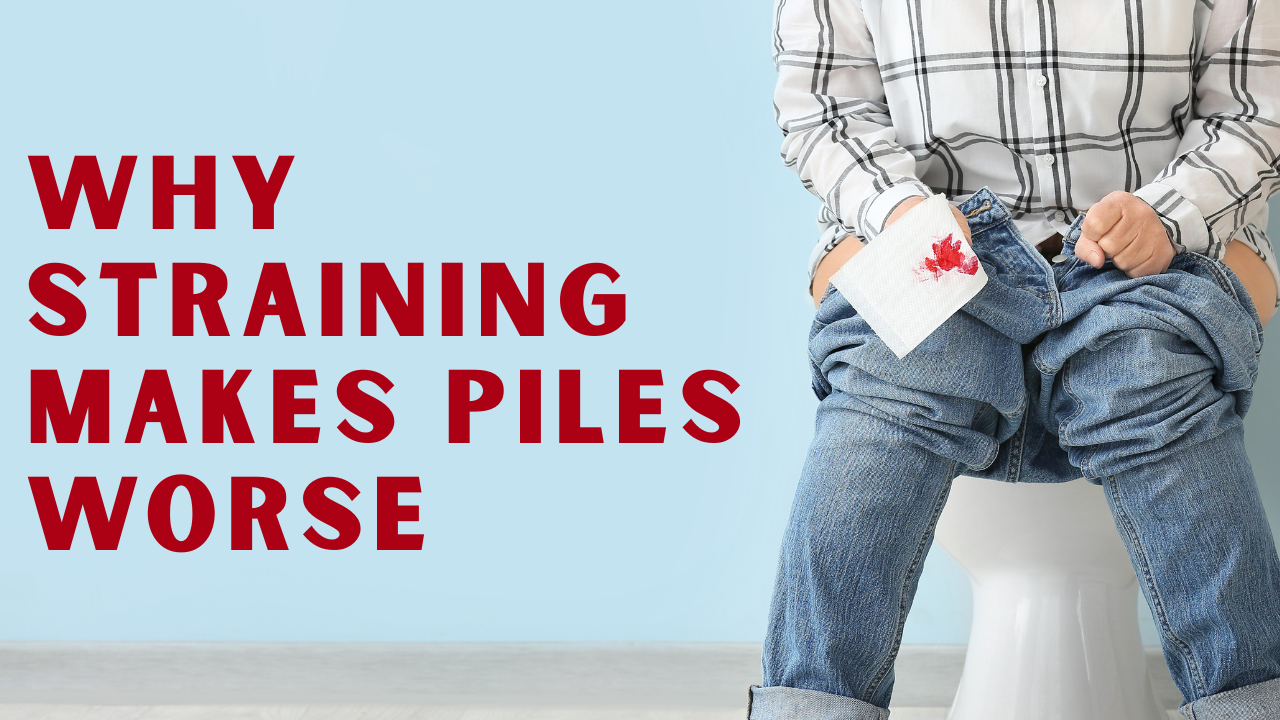 20Nov
20Nov 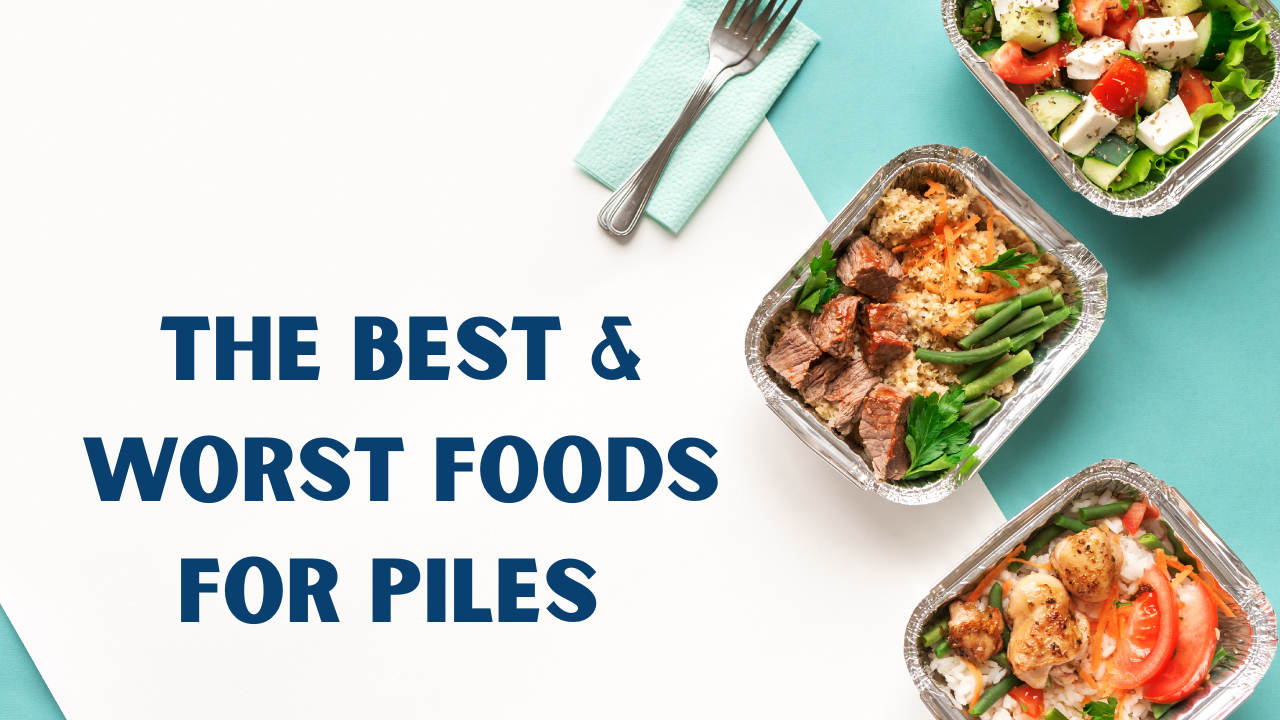 02Dec
02Dec 



Comments are closed