Piles, also known as hemorrhoids, are a common health concern, yet they’re surrounded by misinformation, embarrassment, and outdated beliefs. From assuming that only older people get piles to believing that spicy food is the sole cause, these myths can prevent people from understanding the real problem and seeking appropriate care.
The truth is that piles can affect people of different ages and may be associated with factors such as chronic constipation, repeated straining during bowel movements, pregnancy, prolonged sitting, and increased pressure on the veins around the anus and lower rectum.
Understanding the facts behind common myths about piles can help you make better decisions about your diet, bowel habits, lifestyle, and treatment.
Let’s separate fact from fiction.
Myth 1: Only Older People Get Piles
Fact: Piles can affect adults of different ages.
While the risk may increase with age because supporting tissues can weaken over time, younger adults can also develop piles, especially when they experience chronic constipation, frequent straining, pregnancy, obesity, or prolonged sitting.
Age alone does not determine who develops piles.
Myth 2: Spicy Food Directly Causes Piles
Fact: Spicy food does not directly cause piles.
However, for some people, spicy foods may worsen digestive discomfort or cause irritation during bowel movements, particularly when piles are already present.
The bigger concern is often the underlying bowel habit. Constipation and repeated straining can significantly increase pressure on rectal veins.
Myth 3: Piles Always Cause Bleeding
Fact: Not every person with piles experiences bleeding.
Common symptoms may include:
- Itching
- Pain or discomfort
- Swelling or a lump near the anus
- Bright red bleeding during bowel movements
Symptoms can differ depending on whether the piles are internal or external and how severe they are.
Myth 4: Piles Are Always Extremely Painful
Fact: Some piles may cause little or no pain.
Internal hemorrhoids are often painless unless they become prolapsed or develop complications. External piles may be more uncomfortable, especially if a blood clot develops.
The severity of pain varies from person to person.
Myth 5: Sitting on Cold Surfaces Causes Piles
Fact: There is no strong evidence that simply sitting on a cold floor or surface directly causes piles.
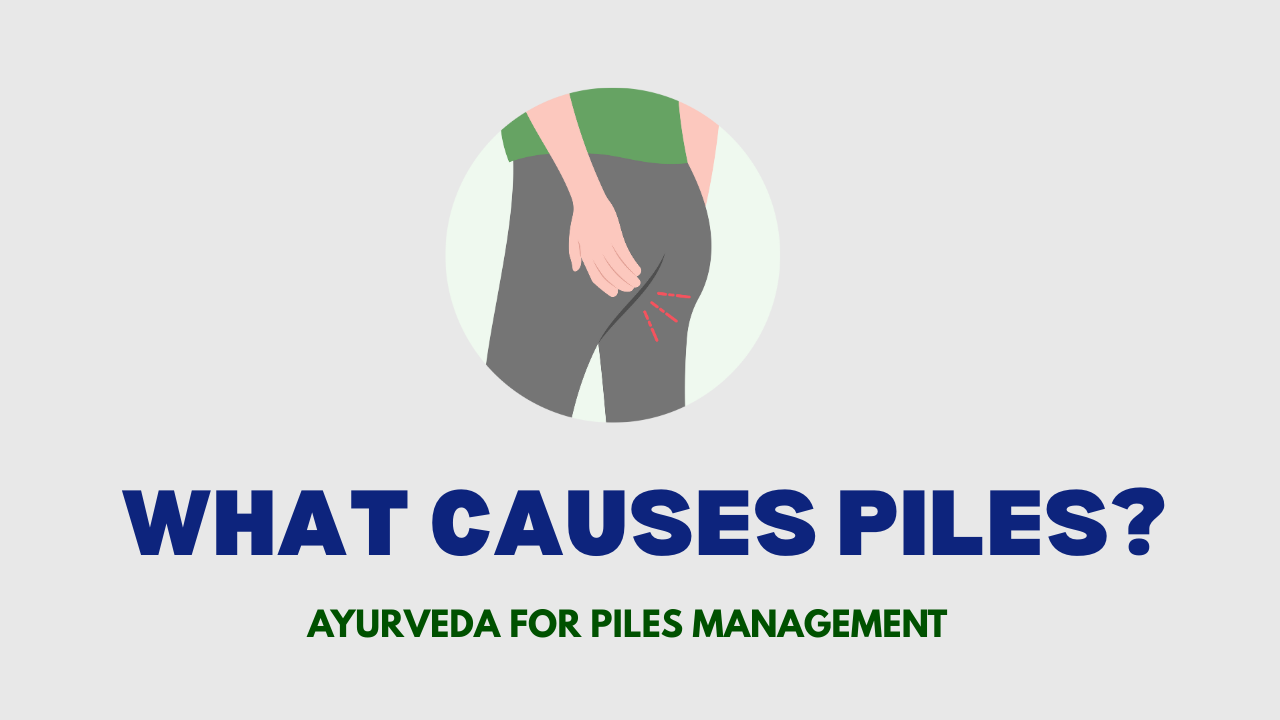
Piles are more commonly associated with increased pressure on veins in the rectal area due to factors such as:
- Straining during bowel movements
- Chronic constipation
- Pregnancy
- Obesity
- Prolonged sitting
The temperature of the surface itself is not considered a direct cause.
Myth 6: Piles Are Caused Only by Constipation
Fact: Constipation is a major risk factor, but it isn’t the only one.
Other possible contributing factors include:
- Chronic diarrhea
- Pregnancy
- Heavy lifting
- Obesity
- Prolonged toilet sitting
- Low-fiber diet
Preventing constipation is important, but piles management should consider the complete lifestyle picture.
Myth 7: You Should Spend More Time on the Toilet to Completely Empty Your Bowels
Fact: Sitting on the toilet for too long may actually increase pressure on the veins around the anus.
Scrolling on your phone while sitting on the toilet can easily turn a few minutes into 15 or 20 minutes.
Try to avoid unnecessary toilet sitting and excessive straining. Go when you feel a natural urge and don’t force a bowel movement.
Myth 8: Exercise Makes Piles Worse
Fact: Regular moderate exercise can support digestion and bowel regularity.
Activities such as walking, yoga, and light physical movement may help reduce the risk of constipation. However, excessive straining during heavy lifting may worsen symptoms in some people.
Choose suitable activities based on your comfort and health condition.
Myth 9: Piles Will Always Go Away on Their Own
Fact: Mild piles may improve with dietary and lifestyle changes, but persistent or severe piles may require professional treatment.
Ignoring recurring bleeding, severe pain, or worsening symptoms is not recommended. Rectal bleeding can have causes other than piles and should be properly evaluated.
Myth 10: Surgery Is the Only Treatment for Piles
Fact: Not everyone with piles needs surgery.
Depending on the severity and type of piles, management may involve:
- Increasing dietary fiber
- Drinking enough water
- Avoiding straining
- Improving bowel habits
- Medicines recommended by a healthcare professional
- Minimally invasive procedures
- Surgery in more severe cases
Early attention may help prevent symptoms from becoming more difficult to manage.
What Actually Helps Prevent and Manage Piles?
Instead of believing common myths, focus on habits that support healthier bowel movements.
Eat More Fiber
Include foods such as:
- Fruits
- Vegetables
- Whole grains
- Lentils
- Seeds
Fiber can help soften stools and reduce straining.
Stay Hydrated
Adequate water intake helps support softer stools and healthier digestion.
Avoid Straining
Repeated straining increases pressure on veins in the rectal area.
Don’t Ignore the Urge
Delaying bowel movements may make stools harder and more difficult to pass.
Stay Physically Active
Regular movement supports digestive health and bowel regularity.
Limit Toilet Time
Avoid unnecessarily sitting on the toilet for extended periods.
The Ayurvedic Perspective on Piles
In Ayurveda, piles are traditionally known as Arsha. Ayurvedic approaches often focus on digestion, bowel regularity, dietary habits, and lifestyle factors that may contribute to discomfort.
Common Ayurvedic wellness principles for supporting digestive and bowel health include:
- Maintaining regular bowel movements
- Avoiding excessive straining
- Eating fiber-rich foods
- Staying adequately hydrated
- Supporting healthy digestion
- Following consistent meal timings
- Staying physically active
Ayurvedic support should complement appropriate medical care, particularly when symptoms are persistent or severe.
When Should You See a Doctor?
Seek medical advice if you experience:
- Persistent or heavy rectal bleeding
- Severe pain
- A painful or rapidly growing lump
- Black or tarry stools
- Unexplained weight loss
- Significant changes in bowel habits
- Symptoms that continue despite lifestyle changes
Don’t automatically assume that all rectal bleeding is caused by piles. A proper diagnosis is important.
Why Choose Pilesnib?
While healthy food, hydration, and good bowel habits form the foundation of piles care, Ayurvedic support may complement your daily routine.
Benefits of Pilesnib
- Supports healthy bowel movements
- Helps maintain digestive comfort
- Supports bowel regularity
- Made with Ayurvedic ingredients
- Complements a healthy diet and lifestyle
- Supports everyday digestive wellness
Pilesnib is designed to support digestive balance and bowel wellness as part of a holistic piles care routine.
Conclusion
Piles are common, but misinformation can make the condition seem more confusing or frightening than it needs to be. Myths such as “only older people get piles,” “spicy food directly causes piles,” or “surgery is always necessary” can prevent people from understanding the real causes and available management options.
The most effective approach is to focus on facts: maintain healthy bowel habits, eat enough fiber, stay hydrated, avoid prolonged toilet sitting and excessive straining, and seek medical advice when symptoms persist or become severe.
By understanding the truth behind these common myths about piles, you can make more informed decisions about your digestive health.
Support Better Digestive & Bowel Wellness with Pilesnib
Dealing with recurring constipation, straining, or digestive discomfort?
Pilesnib is an Ayurvedic formulation designed to support healthy bowel movements, digestive balance, and everyday comfort as part of a healthy lifestyle.
Choose Pilesnib for Natural Ayurvedic Support for Better Digestive and Bowel Wellness.
FAQs
Can young people get piles?
Yes. Piles can affect adults of different ages.
Does spicy food cause piles?
Not directly, but it may worsen discomfort in some people.
Are piles always painful?
No. Some piles may cause little or no pain.
Does every case of piles need surgery?
No. Treatment depends on the type and severity.
Can constipation worsen piles?
Yes. Hard stools and repeated straining can worsen piles.

 31Aug
31Aug  26Sep
26Sep  10Oct
10Oct 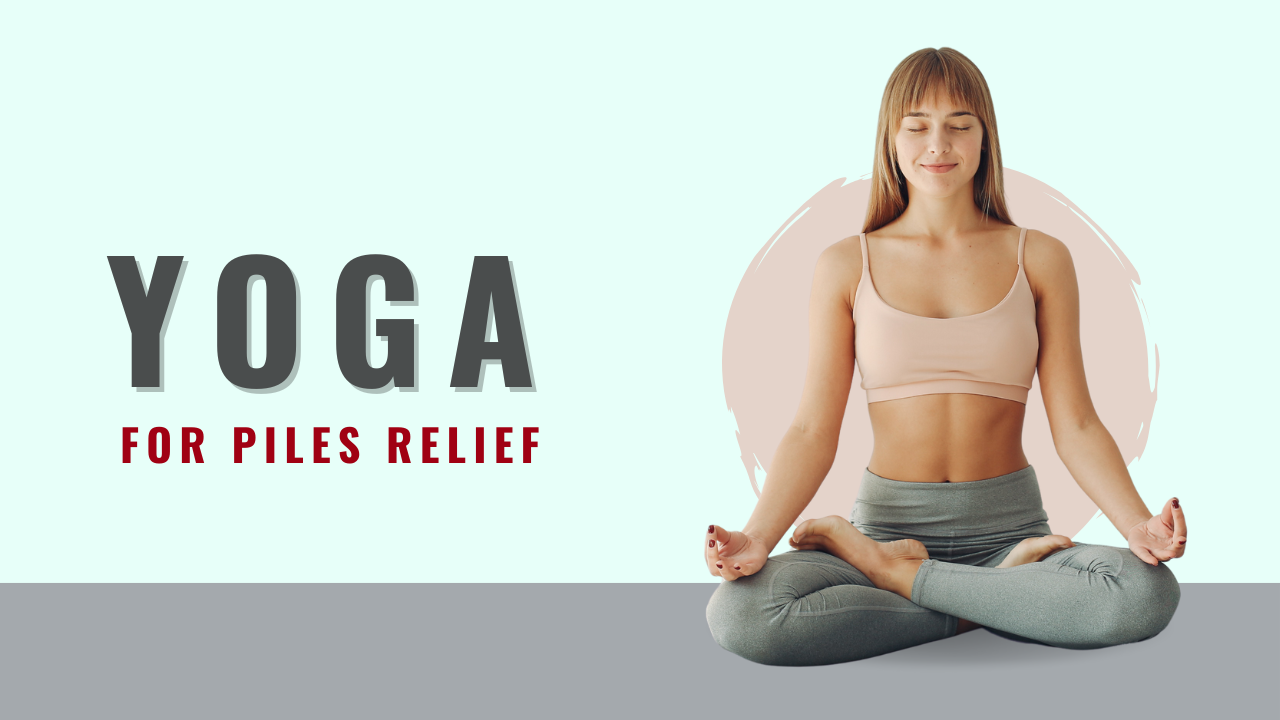 09Nov
09Nov 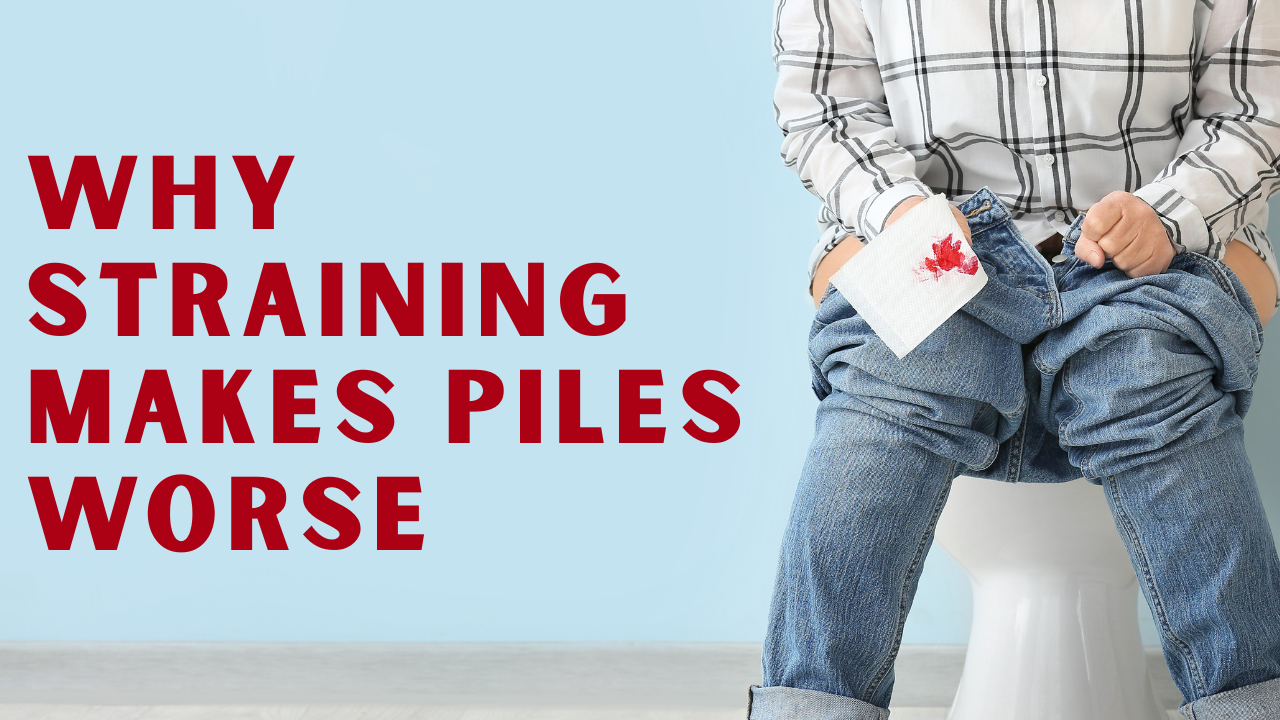 20Nov
20Nov 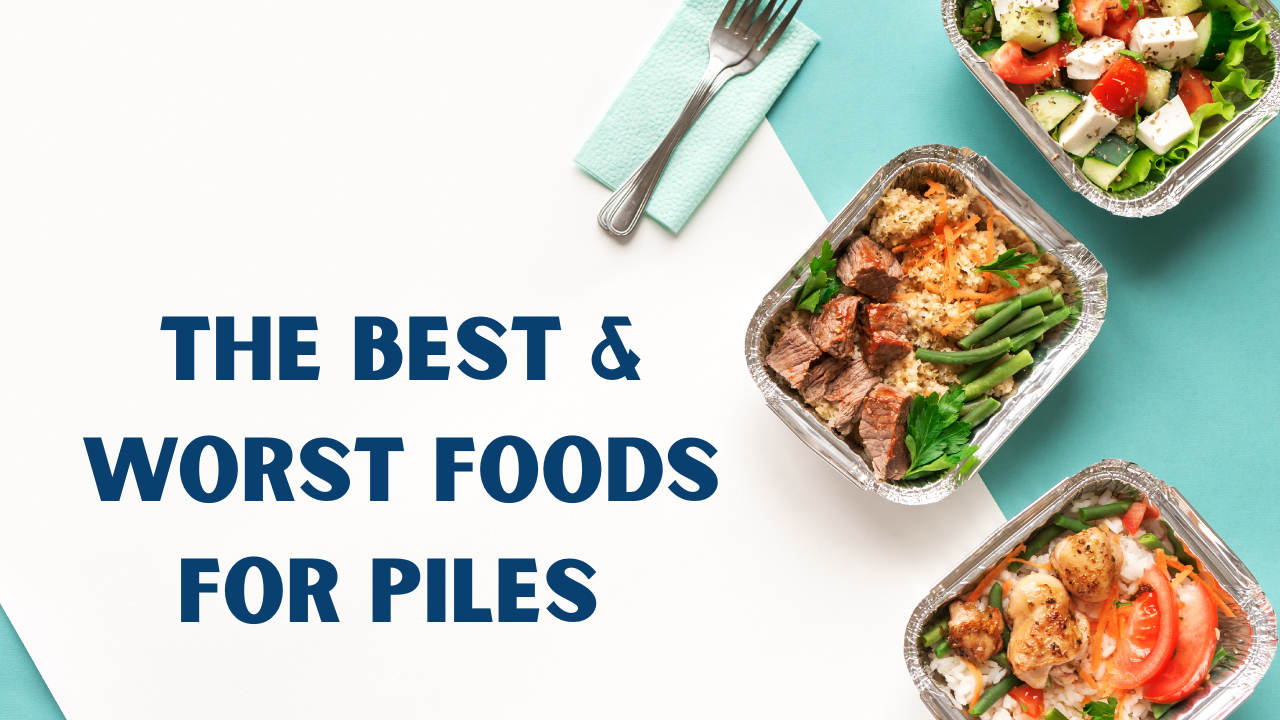 02Dec
02Dec 



Comments are closed