Polycystic ovary syndrome, commonly known as PCOS, is a hormonal and metabolic condition that can affect menstrual cycles, fertility, weight, skin, hair, and overall well-being. While medical care is important for managing PCOS, diet and lifestyle also play a major role in supporting long-term health.
An Ayurvedic diet for PCOS takes a holistic approach. Instead of focusing only on calories or individual nutrients, Ayurveda considers digestion, metabolism, daily routine, food quality, and individual body constitution.
According to Ayurvedic principles, PCOS may involve imbalances in the doshas particularly Kapha and Vata along with impaired digestive fire, known as Agni, and the accumulation of metabolic waste traditionally called Ama.
The goal of a PCOS diet according to Ayurveda is to support healthy digestion, maintain metabolic balance, encourage a healthy body weight, and nourish the body with fresh, wholesome foods.
Let’s explore what to eat, what to limit, and how to build a balanced daily routine.
Understanding PCOS from an Ayurvedic Perspective
Ayurveda does not describe PCOS exactly as modern medicine does. However, certain menstrual, reproductive, metabolic, and hormonal symptoms may be interpreted through Ayurvedic concepts involving the doshas, Agni, and the body’s channels.
From an Ayurvedic perspective, excessive Kapha may be associated with:
- Weight gain
- Heaviness
- Sluggish metabolism
- Excess oiliness
- Lethargy
Vata imbalance may be associated with irregularity, including irregular menstrual cycles.
Ayurvedic dietary principles therefore generally emphasize warm, freshly prepared, easy-to-digest meals while limiting excessive amounts of heavy, highly processed, and overly sweet foods.
Best Foods to Eat for PCOS According to Ayurveda
1. Freshly Cooked Vegetables
Vegetables should form an important part of a balanced PCOS diet.
Good options include:
- Bottle gourd
- Ridge gourd
- Bitter gourd
- Spinach
- Fenugreek leaves
- Broccoli
- Cauliflower
- Carrots
- Beans
Cooking vegetables with suitable spices can make them easier to digest.
2. Whole Grains in Moderation
Choose less-refined grains according to your individual nutritional needs.
Options may include:
- Barley
- Millets
- Oats
- Brown rice
- Quinoa
Portion size remains important, particularly for people managing insulin resistance or weight concerns.
3. Include Enough Protein
Protein supports satiety, muscle health, and overall nutrition.
Sources include:
- Moong dal
- Lentils
- Beans
- Chickpeas
- Paneer in moderation
- Tofu
- Eggs, if consumed
- Fish or lean meat, if part of your diet
Try to include a suitable protein source with major meals.
4. Choose Healthy Fats
Healthy fats are an important part of a balanced diet.
Include moderate amounts of:
- Nuts
- Seeds
- Flaxseeds
- Walnuts
- Chia seeds
- Appropriate cooking oils
Portion control is still important because fats are calorie-dense.
5. Choose Whole Fruits
Whole fruits provide vitamins, minerals, fiber, and antioxidants.
Options may include:
- Apples
- Guava
- Oranges
- Berries
- Pears
- Pomegranate
Whole fruit is generally preferable to fruit juice because it retains more fiber.
6. Use Ayurvedic Spices in Daily Cooking
Several traditional spices can be included as part of a balanced diet:
- Turmeric
- Cinnamon
- Ginger
- Cumin
- Fenugreek
- Black pepper
These spices can add flavor while supporting a wholesome dietary pattern.
They should not, however, be considered standalone treatments for PCOS.
Foods to Limit in PCOS
A healthy PCOS diet plan generally benefits from limiting foods that contribute large amounts of added sugar, refined carbohydrates, or excess calories.
Consider reducing:
- Sugary drinks
- Sweets and desserts
- Refined flour products
- Deep-fried foods
- Highly processed snacks
- Excessive fast food
- Sweetened breakfast cereals
- Packaged juices
The goal is not extreme restriction but a sustainable, balanced eating pattern.
Should You Avoid Dairy in PCOS?
Not everyone with PCOS needs to eliminate dairy.
Individual responses vary.
Some people tolerate:
without problems, while others may prefer to reduce certain dairy products based on digestive comfort, personal preference, or professional dietary advice.
There is no universal rule that everyone with PCOS must completely avoid dairy.
Should You Avoid Gluten in PCOS?
A gluten-free diet is not automatically necessary for every person with PCOS.
People with coeliac disease, diagnosed gluten sensitivity, or another medical reason may need to avoid gluten. For others, unnecessarily eliminating entire food groups can make a balanced diet harder to maintain.
Personalization matters.
Sample One-Day Ayurvedic-Inspired PCOS Diet Plan
Early Morning
Start with plain or warm water according to preference.
Avoid relying on sugary detox drinks.
Breakfast
Choose one:
- Vegetable moong chilla
- Oats with nuts and seeds
- Vegetable poha with added protein
- Eggs with vegetables, if consumed
Mid-Morning
Choose one:
- Guava
- Apple
- Orange
- A small portion of nuts
Lunch
Build a balanced plate with:
- Plenty of vegetables
- Dal or another protein source
- A moderate portion of whole grains
- Salad, if well tolerated
Evening Snack
Choose:
- Roasted chana
- Nuts and seeds
- Unsweetened herbal tea
- A suitable whole fruit
Dinner
Keep dinner balanced and comfortable to digest.
Options include:
- Vegetable khichdi with added protein
- Soup with a protein source
- Dal with cooked vegetables
- Millet roti with vegetables and protein
Try to avoid extremely heavy meals immediately before bedtime.
The Importance of Meal Timing in Ayurveda
Ayurveda places significant emphasis on regular routines.
Eating at inconsistent times, frequently skipping meals, or consuming large meals very late at night may make it harder for some people to maintain healthy eating habits and comfortable digestion.
Try to:
- Eat meals at relatively consistent times
- Avoid constant grazing if it doesn’t suit you
- Eat without excessive distraction
- Chew food properly
- Pay attention to hunger and fullness signals
A sustainable routine is more valuable than following an extreme diet for a few weeks.
PCOS, Insulin Resistance, and Diet
Many people with PCOS also experience insulin resistance, although not everyone does.
A diet that supports healthy blood glucose management generally emphasizes:
- Adequate protein
- Fiber-rich foods
- Whole grains in suitable portions
- Vegetables
- Healthy fats
- Reduced intake of added sugars and highly refined carbohydrates
Regular physical activity can also play an important role in improving metabolic health.
Ayurvedic Lifestyle Tips for PCOS
Diet works best alongside healthy daily habits.
Exercise Regularly
Aim for a combination of:
- Walking
- Strength training
- Yoga
- Other enjoyable physical activities
Consistency matters more than choosing a supposedly perfect workout.
Prioritize Sleep
Poor sleep can affect appetite, stress, energy, and metabolic health.
Maintain a consistent sleep schedule whenever possible.
Manage Stress
Chronic stress may affect overall well-being and make healthy routines more difficult to maintain.
Helpful practices may include:
- Yoga
- Meditation
- Breathing exercises
- Spending time outdoors
- Journaling
Avoid Extreme Dieting
Very restrictive diets are difficult to maintain and may not provide adequate nutrition.
Aim for gradual, sustainable improvements.
Can Ayurveda Cure PCOS?
PCOS is a complex chronic condition, and claims of a guaranteed or permanent cure should be approached cautiously.
Ayurvedic diet and lifestyle practices may complement conventional medical care by supporting:
- Healthy eating habits
- Digestion
- Weight management
- Stress management
- Overall well-being
However, PCOS management should be personalized according to symptoms, medical history, metabolic health, fertility goals, and professional medical advice.
Never stop prescribed medicines without consulting your healthcare provider.
When Should You See a Doctor?
Consult a healthcare professional if you experience:
- Very irregular or absent periods
- Heavy menstrual bleeding
- Difficulty conceiving
- Rapid or unexplained weight changes
- Excessive facial or body hair
- Significant hair thinning
- Severe acne
- Symptoms of high blood glucose
Early evaluation can help identify PCOS and rule out other conditions with similar symptoms.
Conclusion
A PCOS diet according to Ayurveda focuses on fresh, wholesome foods, healthy digestion, regular routines, mindful eating, and sustainable lifestyle habits.
There is no single perfect PCOS diet for everyone. Individual factors such as insulin resistance, body weight, digestive health, food preferences, activity level, and medical history all influence what works best.
Focus on eating more vegetables, adequate protein, fiber-rich carbohydrates, whole fruits, healthy fats, and freshly prepared meals while reducing excessive added sugar and highly processed foods.
Combined with regular physical activity, quality sleep, stress management, and appropriate medical care, these habits can support long-term hormonal and metabolic wellness.
FAQs
What is the best Ayurvedic diet for PCOS?
Fresh vegetables, adequate protein, whole foods, and fiber-rich meals.
Which foods should be avoided in PCOS?
Limit added sugar, refined flour, deep-fried foods, and highly processed snacks.
Is dairy bad for PCOS?
Not necessarily. Individual tolerance varies.
Can Ayurveda cure PCOS permanently?
There is no guaranteed permanent cure, but lifestyle support may help manage symptoms.
Is weight loss necessary for PCOS?
Not for everyone, but when medically appropriate, modest weight loss may improve some symptoms.
 25Aug
25Aug  25Aug
25Aug  26Aug
26Aug  28Aug
28Aug  31Aug
31Aug 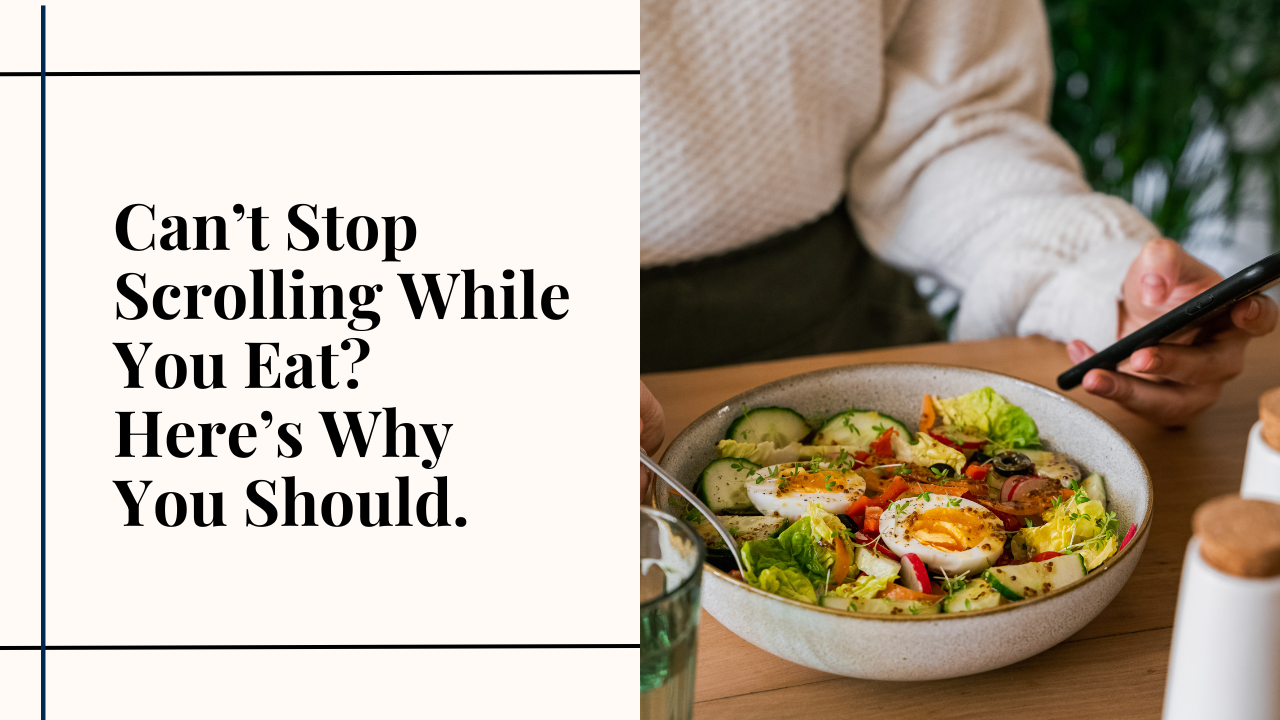 09Sep
09Sep 


Comments are closed