The top 7 myths about low stamina in men- busted by Ayurveda reveal how much misinformation surrounds a topic that affects millions of men silently. Low stamina is often dismissed as laziness, blamed entirely on age, or treated as something that can be fixed with a single supplement or energy drink. The reality, according to Ayurvedic wisdom, is far more nuanced and far more hopeful.
Ayurveda has studied male vitality for over 3,000 years through the lens of Vajikarana, the branch of Ashtanga Ayurveda dedicated to reproductive health, physical endurance, and sexual wellness. It recognises that stamina is not just about muscle strength or testosterone levels. It is a reflection of your Ojas (vital essence), your digestive fire (Agni), your sleep quality, your mental state, and the balance of your three doshas.
Let us walk through seven of the most persistent myths about low stamina in men and what Ayurveda actually says about each one.
Myth 1: Low Stamina Is Just a Sign of Getting Older
This is perhaps the most damaging myth because it encourages men to accept declining energy as inevitable. While it is true that Shukra dhatu (reproductive tissue) naturally undergoes changes with age, Ayurveda does not treat this as a fixed, irreversible process. Classical texts like the Charaka Samhita describe Rasayana therapies rejuvenating protocols using herbs, diet, and lifestyle specifically designed to slow this decline and rebuild vitality at any age.
Men in their 40s, 50s, and beyond have traditionally used Ayurvedic tonics and practices to maintain robust energy. Age is a contributing factor, not a sentence. The real question Ayurveda asks is: what is depleting your Ojas faster than your body can replenish it?
Myth 2: Low Stamina Is Always a Testosterone Problem
Modern medicine often reduces male stamina issues to a single hormone. Ayurveda takes a systems view. Low testosterone can certainly be a factor, but Ayurveda identifies several other root causes that Western diagnostics may miss entirely:
- Impaired Agni (digestive fire): Poor digestion means nutrients from food never fully convert into Shukra dhatu, the tissue most associated with stamina and sexual vitality.
- Accumulated Ama (toxins): Undigested metabolic waste clogs channels (srotas), reducing energy delivery to tissues.
- Vata imbalance: Excess Vata driven by stress, irregular sleep, and overwork is one of the most common causes of exhaustion and low libido in modern men.
- Ojas depletion: Excessive physical exertion, emotional stress, or frequent ejaculation without adequate recovery can deplete Ojas, the subtle essence that governs immunity, endurance, and reproductive health.
Addressing only testosterone while ignoring these factors is like fixing one crack in a dam and ignoring the rest.
Myth 3: Energy Drinks and Protein Shakes Will Fix It
The supplement industry has built a multi-billion dollar business on this myth. Caffeinated energy drinks create a short burst of stimulation by spiking cortisol and adrenalin, the very hormones that, when chronically elevated, deplete Ojas and worsen long-term stamina. Ayurveda calls this Vata aggravation through artificial stimulation.
Protein shakes, while useful for muscle recovery, do not address the root causes of stamina loss. They nourish Mamsa dhatu (muscle tissue) but do little for Shukra dhatu or Ojas. Ayurvedic tonics, by contrast, are formulated to nourish the body at the level of the finest tissues, working gradually and sustainably rather than offering a quick jolt followed by a crash.
Myth 4: Low Stamina Only Affects Older or Unfit Men
This myth keeps many young, physically active men from seeking help. Ayurveda recognises that even a fit 28-year-old can have severely depleted Ojas if he is chronically sleep-deprived, under high stress, eating poorly timed or incompatible foods, or engaging in excessive sexual activity without recovery. In fact, the Charaka Samhita specifically warns that overexertion both physical or mental is one of the fastest routes to stamina loss regardless of age.
Modern lifestyle factors like late-night screen exposure, processed food, alcohol, and chronic work stress create what Ayurveda calls Prajnaparadha, crimes against wisdom that drain vitality from even young, healthy bodies.
Myth 5: You Need to Rest More to Recover Stamina
Rest is necessary but not sufficient. Ayurveda distinguishes between passive rest and active restoration. Simply sleeping more or reducing activity does not rebuild Ojas if your digestion is weak, your diet is poor, or your mind remains agitated. This is why many men report feeling exhausted even after a full night’s sleep, the body is resting but not truly restoring.
True stamina recovery in Ayurveda involves a combination of:
- Eating Ojas-building foods: warm milk, ghee, soaked almonds, dates, saffron, and seasonal fruits
- Abhyanga (self-massage with warm sesame oil) to calm Vata and improve circulation
- Consistent sleep before 10:30 PM to align with the body’s natural Pitta repair cycle
- Pranayama practices like Nadi Shodhana to reduce cortisol and restore nervous system balance
- Adaptogenic herbs that support adrenal and reproductive function simultaneously
Myth 6: Ayurvedic Remedies Are Too Slow to Be Practical
This myth often comes from comparing Ayurveda to pharmaceutical drugs that produce immediate (but often symptomatic) results. Ayurvedic formulations do work at a deeper level, which means the timeline is different but “slow” is a mischaracterisation. Many men report noticeable improvements in energy, sleep quality, and mood within two to four weeks of consistent use of well-formulated Ayurvedic tonics.
The key word is “well-formulated.” Classical Rasayana preparations combine multiple herbs synergistically- for example, ashwagandha for cortisol modulation, shilajit for mitochondrial energy, safed musli for reproductive tissue nourishment, and gokhru for urinary and hormonal support. A thoughtfully crafted formula like the Rasayan Amrit SF Ayurvedic tonic for men’s stamina and vigour combines these time-tested ingredients in a sugar-free base, making it suitable for men who want effective, daily Rasayana support without added sugar.
Ayurveda is not slow, it is thorough. It addresses the root, not just the symptom.
Myth 7: Talking About Low Stamina Is Embarrassing So Just Ignore It
This is not a physiological myth but a cultural one, and it may be the most harmful of all. The stigma around men’s sexual wellness and stamina means that millions of men suffer in silence, often for years, before seeking any help. Ayurveda has always treated Vajikarana, the science of male vitality as a legitimate, honourable branch of medicine, not a taboo subject.
Classical texts discuss stamina, libido, and reproductive health openly and practically, with the same clinical seriousness as treating fever or digestive disorders. Seeking support for low stamina is not a sign of weakness, it is a sign of self-awareness and responsibility toward your own health and your relationships.
What Ayurveda Recommends for Sustainable Stamina
Across all seven myths, a consistent Ayurvedic picture emerges: sustainable stamina requires nourishing Ojas, strengthening Agni, balancing the doshas (particularly Vata), and reducing the chronic stressors that deplete vital essence. This is not achieved through a single shortcut but through a combination of diet, sleep, movement, stress management, and targeted herbal support.
Herbs traditionally used in Ayurvedic stamina formulations include ashwagandha (Withania somnifera), shilajit, safed musli (Chlorophytum borivilianum), kaunch beej (Mucuna pruriens), and gokhru (Tribulus terrestris). Each has a distinct role from supporting healthy testosterone metabolism to reducing oxidative stress in reproductive tissues to improving overall energy at the cellular level.
The lifestyle practices that support these herbs are equally important: eating at consistent times, avoiding excessive stimulants, practising moderate exercise rather than exhausting workouts, and protecting sleep as a non-negotiable priority.
Disclaimer: This article is for informational purposes only and is not a substitute for professional medical advice. Consult a qualified Ayurvedic practitioner or doctor before starting any new remedy, especially if you are pregnant, nursing, or on medication.
Support Your Vitality Naturally with Rasayan Amrit
Looking for a natural way to support stamina, energy, and overall vitality?
Rasayan Amrit is an Ayurvedic formulation crafted with traditional herbs that help support strength, endurance, and daily wellness naturally.
Choose Rasayan Amrit and take the first step towards lasting vitality.
Frequently Asked Questions
Can Ayurveda help improve low stamina?
Yes, Ayurveda may help support stamina, energy, and vitality naturally.
How long does Ayurveda take to work?
Many people notice improvements within 2–12 weeks with consistent use.
Is low stamina common in young men?
Yes, stress, poor sleep, and unhealthy habits can contribute to low stamina.
Can I take Ayurvedic stamina supplements daily?
Most are suitable for daily use, but consult your doctor if you have a medical condition.
What foods support stamina naturally?
Nuts, dates, fruits, healthy fats, and freshly cooked meals can help support vitality.

 22Feb
22Feb  21Aug
21Aug 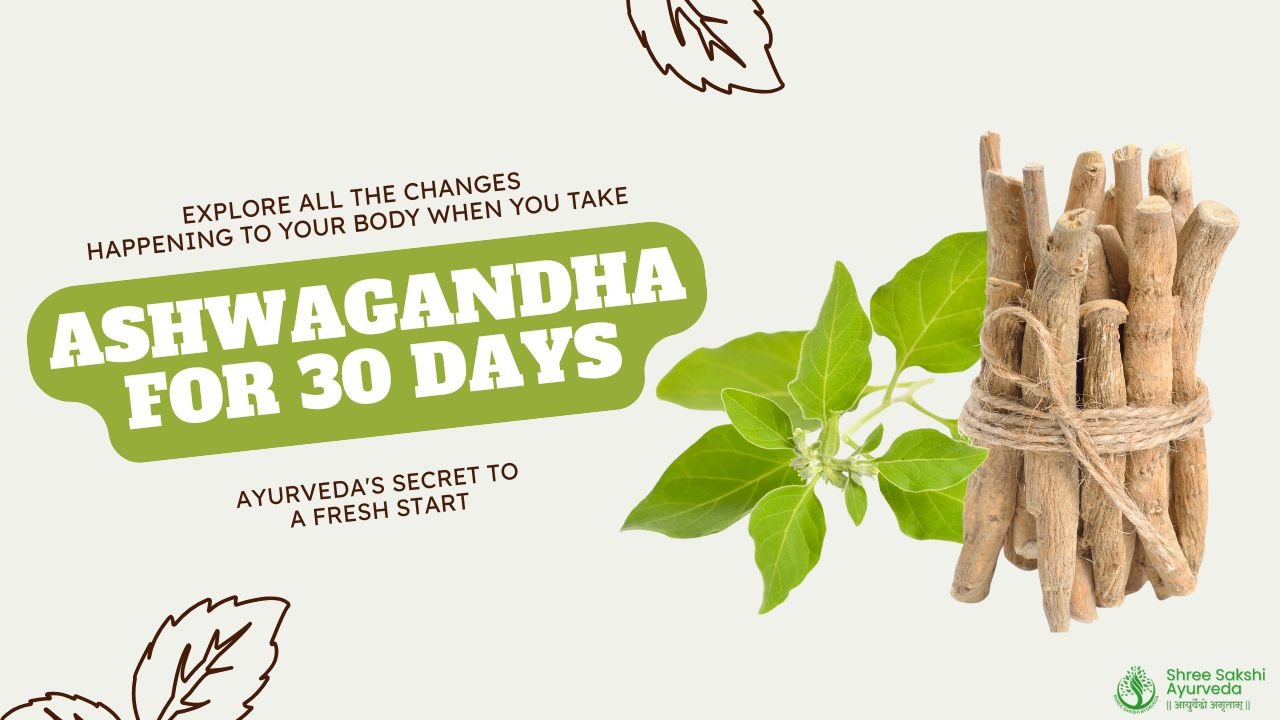 22Aug
22Aug 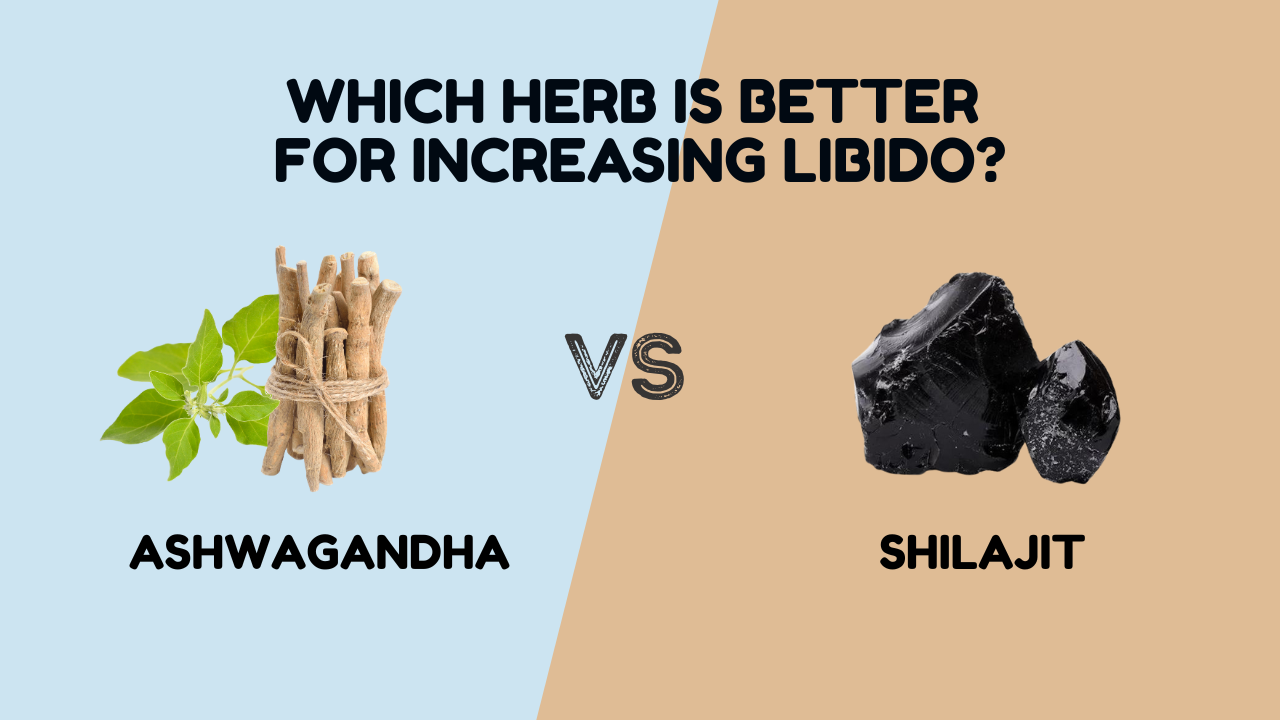 06Sep
06Sep  11Sep
11Sep  23Sep
23Sep 


Comments are closed