Hard stools are one of the most common digestive complaints today. They cause discomfort, straining, bloating, and in severe cases, piles or fissures. If bowel movements feel dry, painful, or incomplete, your body is signaling that something is out of balance.
The good news? Hard stools are usually caused by correctable lifestyle factors and they can be softened naturally with the right approach.
Let’s understand why hard stools happen and how to fix them quickly and safely.
Hard stools are dry, compacted bowel movements that are difficult to pass. They often appear as small lumps or large, firm masses and may require excessive straining.
When stool moves too slowly through the colon, the body absorbs too much water from it. The result is dry, hardened waste that becomes painful to pass.
Several common factors contribute to hard stools:
1. Low Water Intake
Water keeps stool soft and easy to pass. When you don’t drink enough fluids, the colon pulls extra water from waste material, making it dry and hard.
Dehydration is one of the biggest causes of constipation and hard stools.
2. Lack of Fiber in the Diet
Fiber adds bulk and softness to stool. Without enough fiber, stool becomes small, dry, and difficult to move through the intestines.
Low intake of fruits, vegetables, and whole grains can significantly slow digestion.
Delaying bowel movements allows stool to sit longer in the colon. The longer it stays, the more water gets absorbed making it harder and more difficult to pass.
4. Sedentary Lifestyle
Physical movement stimulates intestinal contractions. Sitting for long hours slows down digestion and increases the risk of hard stools.
5. Poor Gut Health
Imbalanced gut bacteria, weak digestion, and irregular eating patterns can slow bowel movements and contribute to stool hardening.
6. Stress and Hormonal Changes
Stress affects gut motility. When the body is under stress, digestion slows, which may result in dry, hard stools.
- Pain during bowel movements
- Straining
- Feeling of incomplete evacuation
- Bloating
- Abdominal discomfort
- Bleeding due to fissures or piles
If this becomes frequent, it needs immediate attention.
Softening stool requires restoring hydration, fiber balance, and digestive rhythm.
Drink 2–3 liters of water daily. Start your morning with 1–2 glasses of warm water to stimulate bowel movement.
Consistent hydration helps rehydrate stool and prevent further hardening.
2. Add Fiber Gradually
Fiber-rich foods help draw water into the stool and improve consistency.
Include:
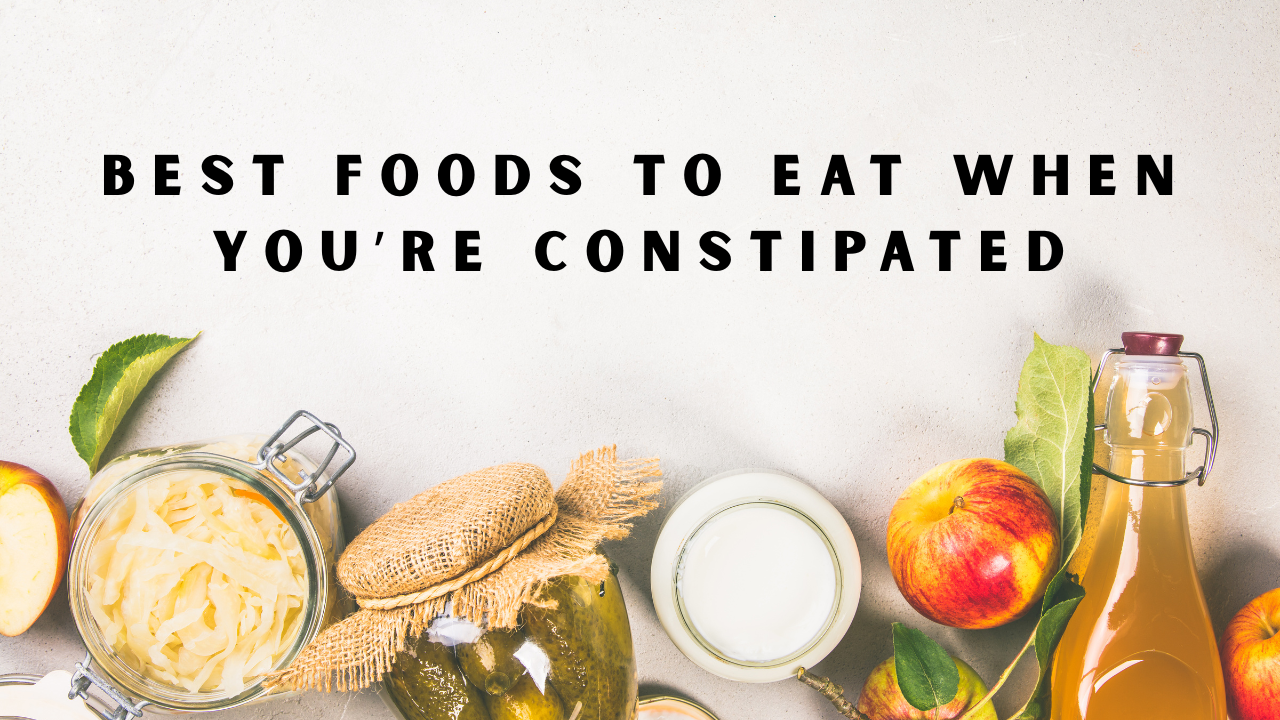
- Oats
- Papaya
- Apples
- Spinach
- Whole grains
Increase fiber gradually to avoid bloating.
3. Use Warm Fluids
Warm water or herbal drinks can stimulate bowel movement and relax intestinal muscles.
This can help provide quicker relief.
4. Stay Physically Active
Even 20–30 minutes of walking daily can improve digestion and promote regular bowel movements.
Movement stimulates natural intestinal contractions.
5. Establish a Regular Bowel Routine
Train your body to pass stool at the same time each day, preferably in the morning.
Never ignore the natural urge.
Natural Support for Faster Relief
When lifestyle changes alone are not enough, gentle herbal support can help regulate bowel movements without causing dependency.
Constipation Relief Powder helps soften hard stools naturally by improving digestion, increasing stool moisture, and promoting smooth bowel movements.
It works gently to restore regularity without harsh side effects.
When combined with proper hydration, fiber intake, and daily movement, it can provide effective and long-term relief from hard stools.
Certain foods worsen dryness and constipation:
- Processed foods
- Excess dairy
- Fried items
- Refined flour products
- Excess caffeine
Limiting these can improve stool consistency significantly.
When to See a Doctor
Consult a healthcare professional if:
- Constipation lasts more than a week
- There is severe pain
- You notice persistent bleeding
- There is unexplained weight loss
Chronic constipation requires medical evaluation.
Conclusion
Hard stools happen when your body lacks hydration, fiber, movement, or proper digestive balance. The colon absorbs too much water, making stool dry and painful to pass.
The fastest way to soften stool is to increase water intake, add fiber gradually, stay active, and establish a regular bowel routine.
For additional support, Constipation Relief Powder can help regulate bowel movements gently and effectively.
Taking early action prevents complications like piles, fissures, and chronic constipation.
FAQs
What causes hard stools suddenly?
Dehydration, low fiber intake, stress, or changes in routine can cause sudden hard stools.
How can I soften stool quickly?
Increase water intake, consume fiber-rich foods, and use gentle herbal support if needed.
Is hard stool a sign of constipation?
Yes. Hard, dry stool is one of the primary signs of constipation.
How much water should I drink to prevent hard stools?
Most adults should aim for 2–3 liters daily, depending on body weight and activity.
Can hard stools cause bleeding?
Yes. Straining and passing dry stool can cause fissures or piles, leading to bleeding.

 16Nov
16Nov
 29Nov
29Nov
 10Dec
10Dec
 20Dec
20Dec
 13Jan
13Jan
 17Jan
17Jan




Comments are closed